Skip to content


When it comes to durable, attractive, and low-maintenance flooring options, both polished concrete and epoxy flooring have become popular choices. Whether you are considering these materials for a residential area, a commercial establishment, or an industrial setting, it’s essential to understand their unique characteristics to determine which is the better fit for your specific needs.
This guide will explore the key features, benefits, and drawbacks of polished concrete and epoxy flooring. We’ll also discuss how each material performs in various spaces, such as garages, kitchens, living rooms, and commercial areas, so you can make an informed decision.
What is Polished Concrete?
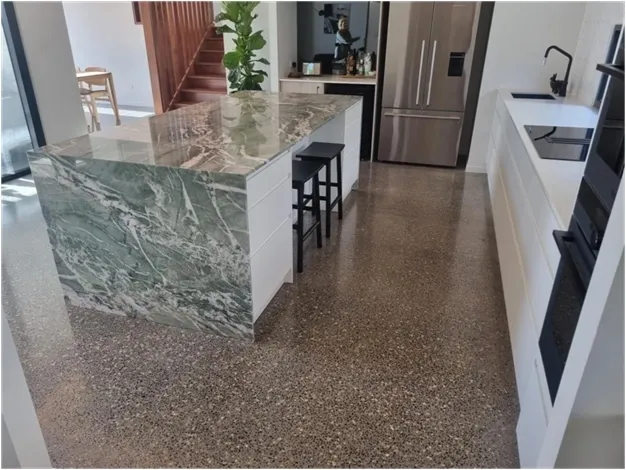
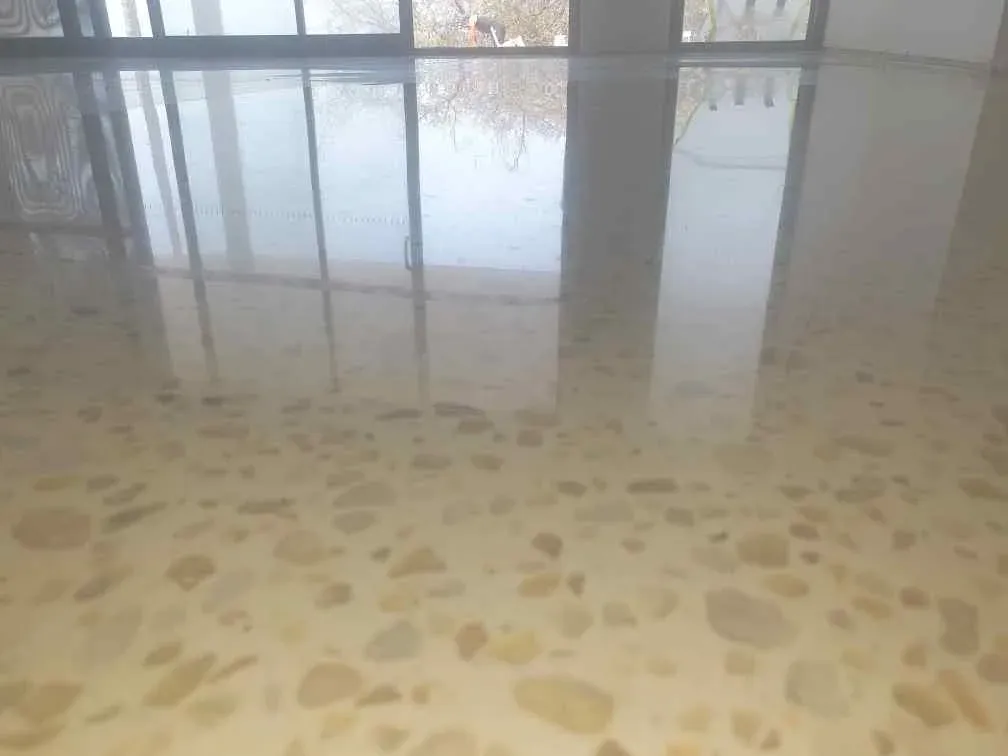
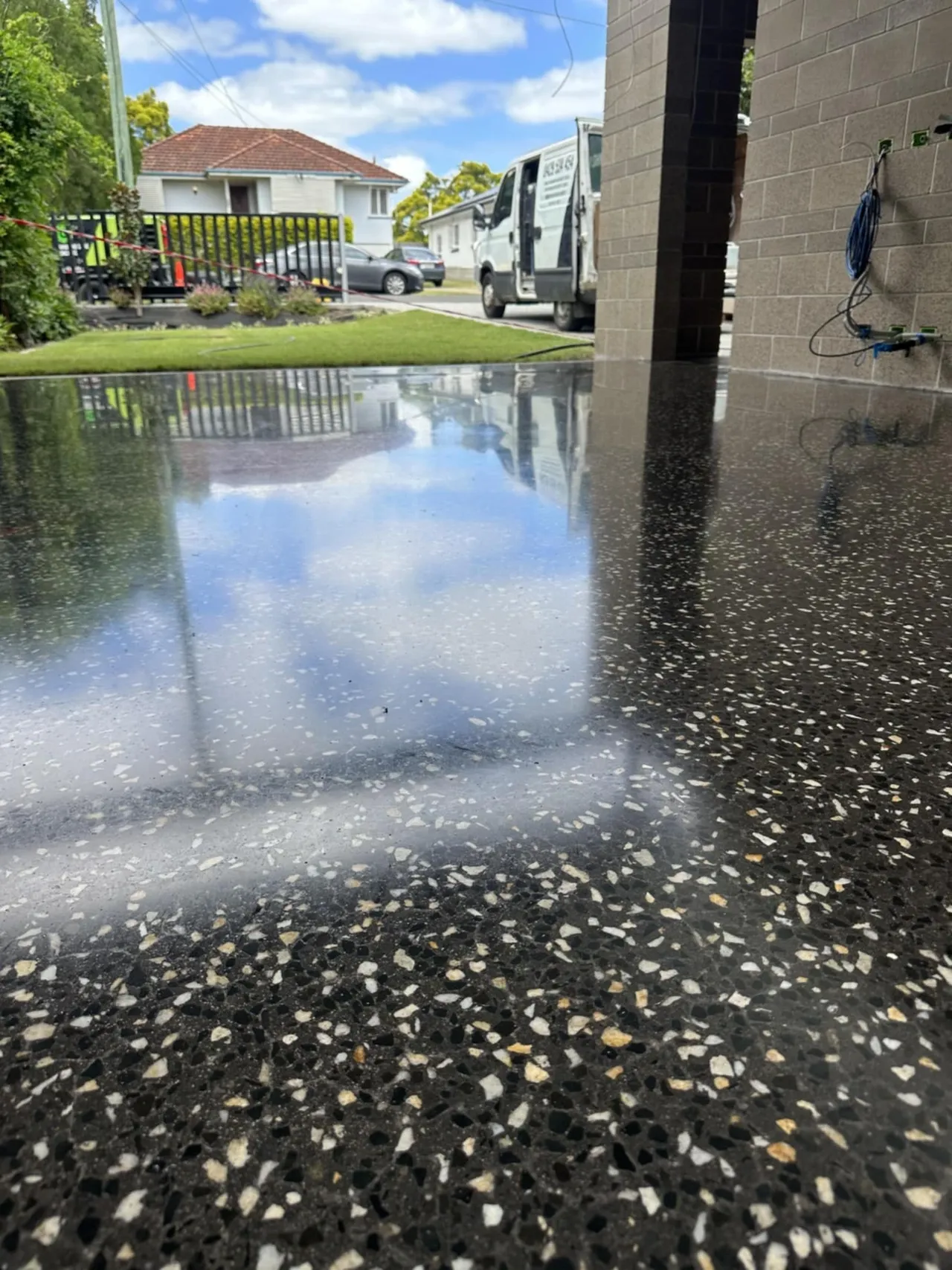
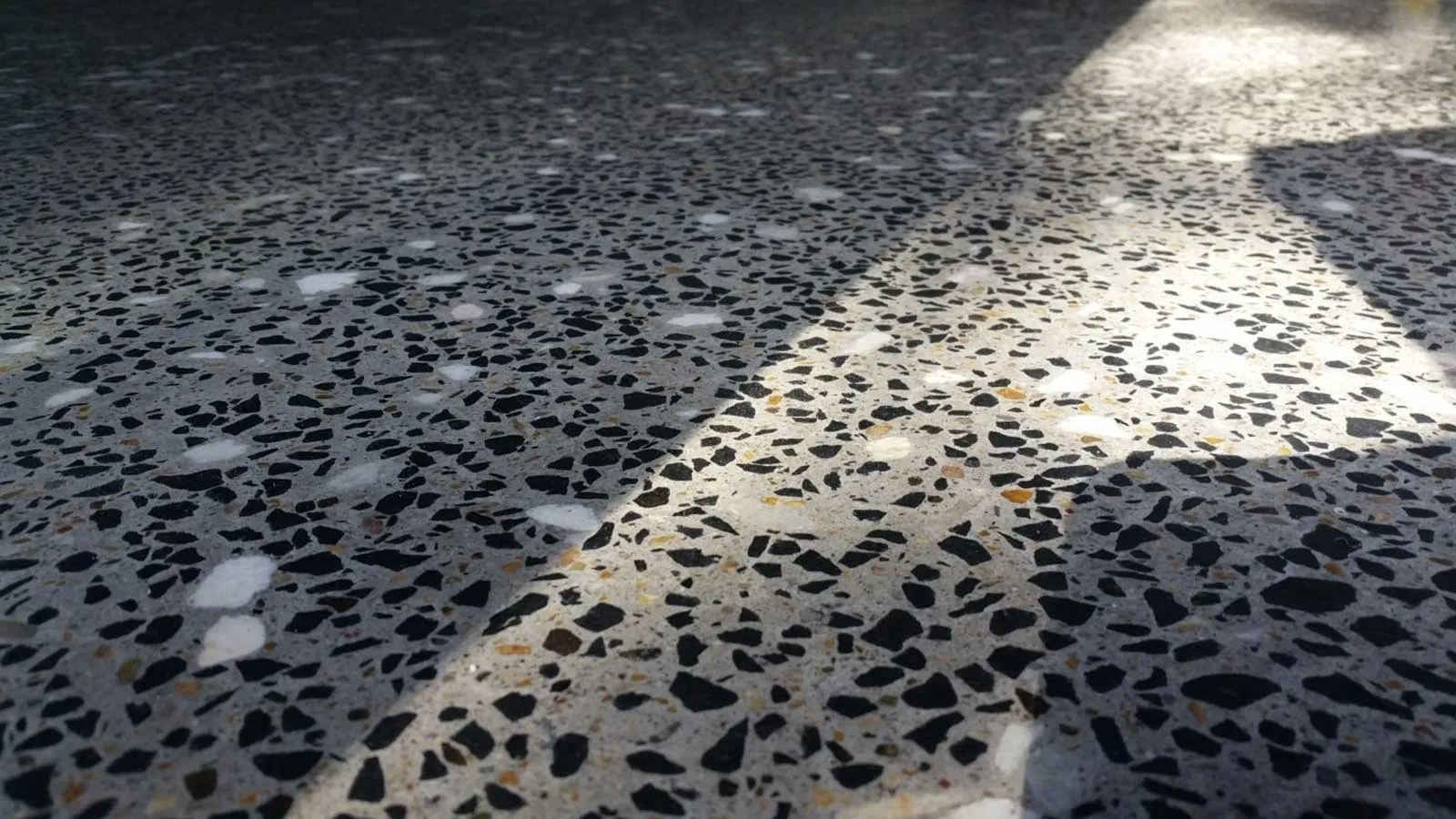
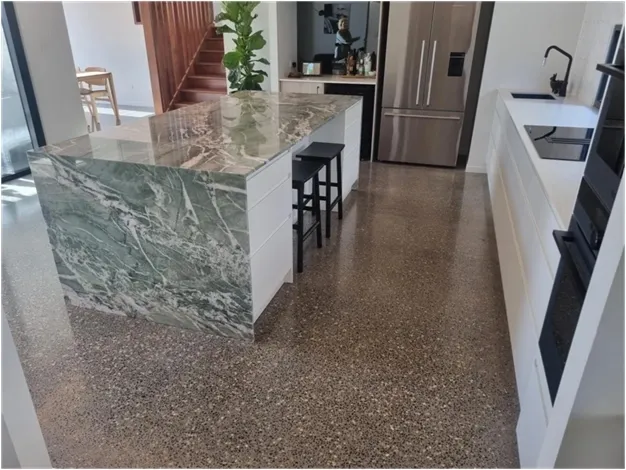
Polished concrete is a refined flooring solution created by grinding and polishing a concrete surface until it reaches a smooth, reflective finish. This process involves multiple steps, using progressively finer grits of diamond abrasives, to achieve a high-gloss or matte appearance based on personal preferences. The process includes densifies the surface, making it more durable and resistant to staining.
Features of Polished Concrete:
High-Gloss or Matte Finishes: The level of shine can be customised from matte to high-gloss, offering versatility in appearance.
Natural Aesthetic: Polished concrete has an industrial-chic look, often revealing the natural variations in the concrete that add character to the space.
Sealed Surface: Polished concrete often includes a penetrative sealer to increase its resistance to stains and moisture.
Pros of Polished Concrete:
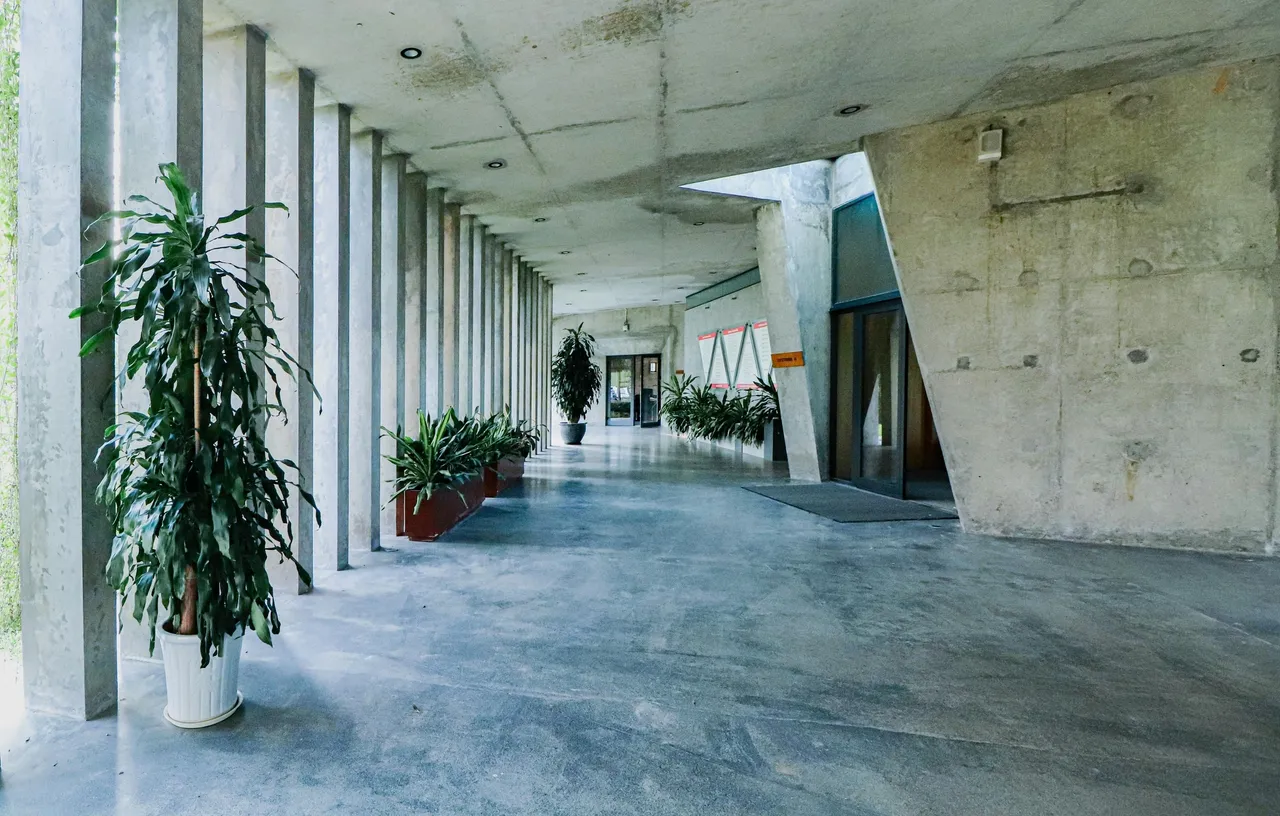
Extreme Durability: Polished concrete is highly resistant to foot traffic, abrasion, and general wear and tear. Its durability makes it ideal for high-traffic areas, such as entryways and hallways.
Low Maintenance: Once installed, polished concrete requires very little maintenance. Regular sweeping and mopping are typically sufficient to keep it looking great.
Cost-Effective Long-Term Solution: While initial installation can be pricey, the minimal maintenance requirements and long lifespan of polished concrete often make it a cost-effective choice over time.
Eco-Friendly: Polished concrete is an environmentally friendly option, as it utilises existing concrete slabs, reducing the need for additional materials and coatings.
Cons of Polished Concrete:
Temperature Sensitivity: Polished concrete can feel cold underfoot, especially in cooler climates. For some residential spaces, this can be a drawback, though it may be a benefit in warmer climates.
Potential for Slipperiness: Although generally slip-resistant, polished concrete can become slippery when wet. Adding anti-slip treatments can help, but this may reduce the shine.
What is Epoxy Flooring?
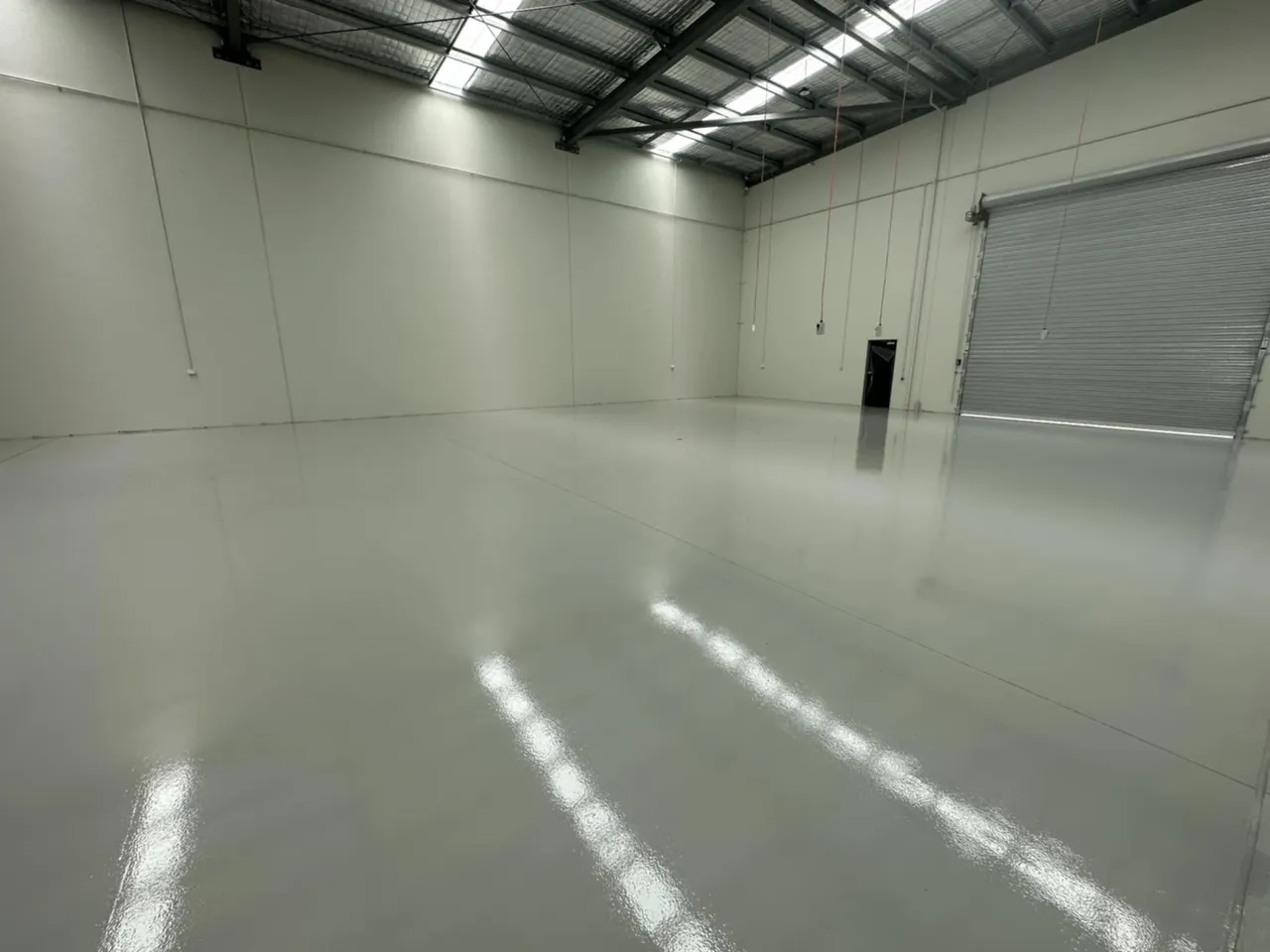
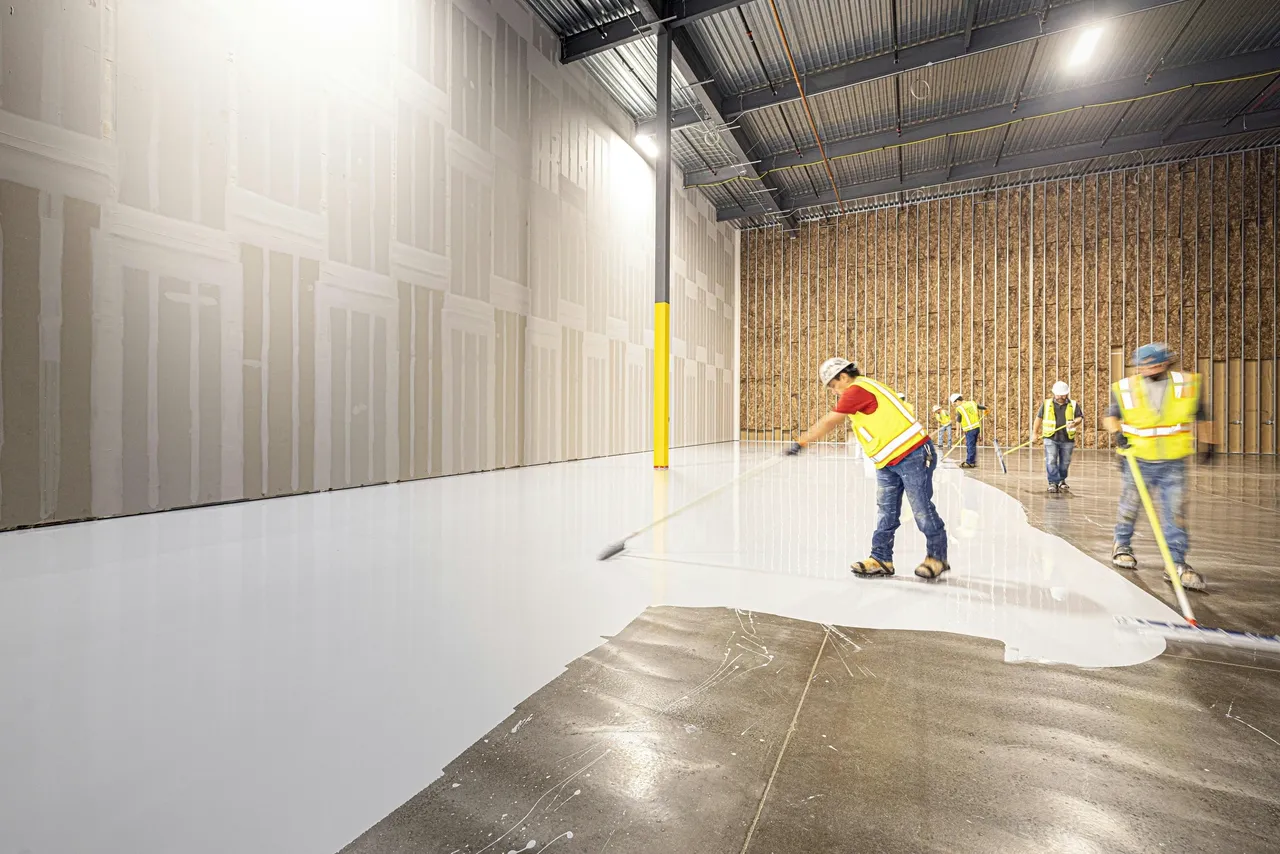
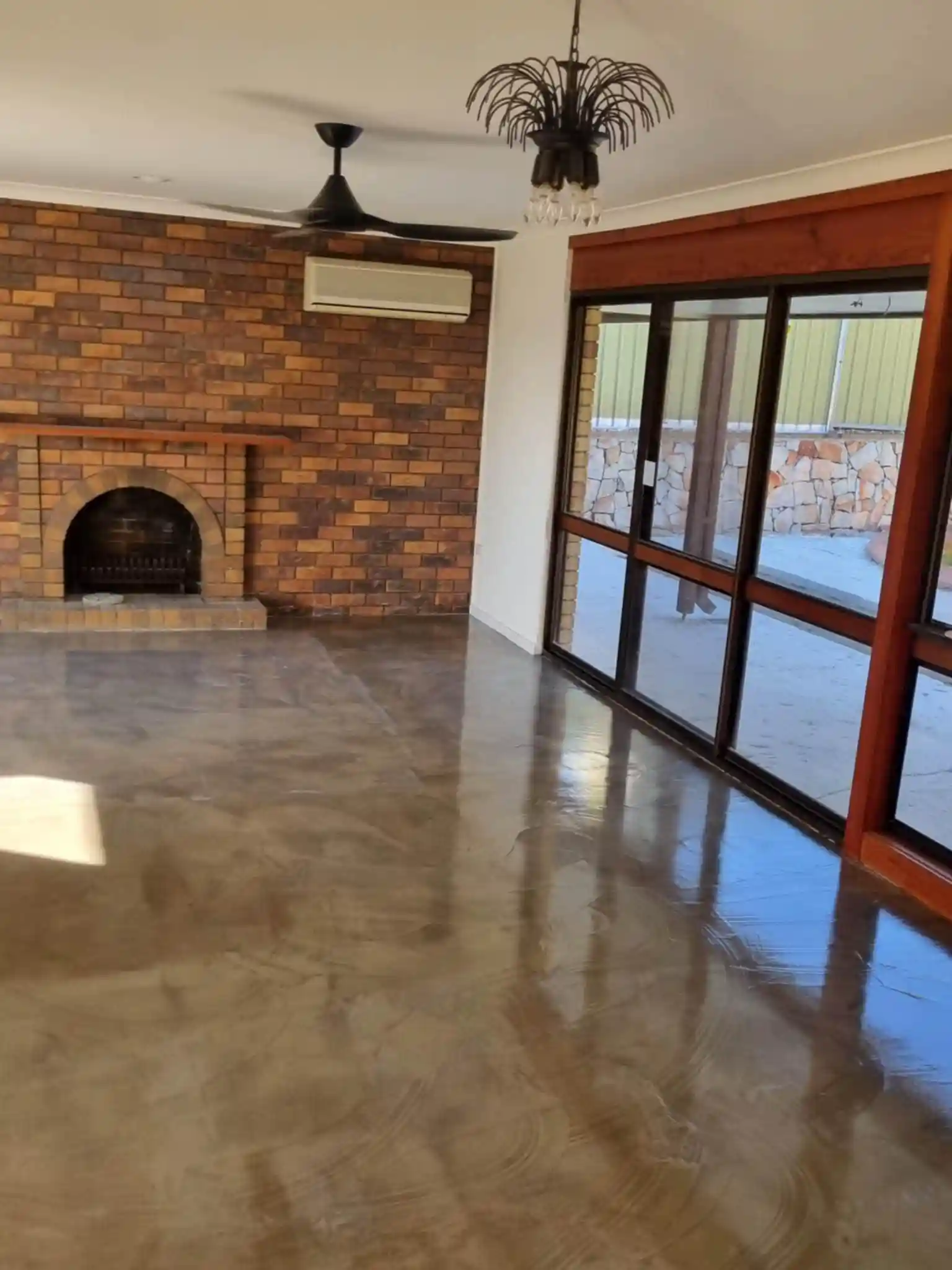
Epoxy flooring is a coating system made from a combination of resin and hardener that creates a durable, protective layer over concrete floors. Epoxy is available in various colours, textures, and finishes, allowing for customisation and a unique look. It’s particularly popular in industrial and commercial environments but is also used in residential spaces for its high performance and aesthetic appeal.
Features of Epoxy Flooring:
Customisation Options: Epoxy flooring can be customised with various colours, metallic effects, and patterns, offering versatility in design.
Seamless Surface: The non-porous surface of epoxy makes it resistant to spills, stains, and chemicals, which is ideal for areas that require strict hygiene standards.
Durable and Long-Lasting: When applied correctly, epoxy flooring can last several years and maintain its appearance with minimal wear.
Pros of Epoxy Flooring:
Chemical and Stain Resistance: Epoxy is highly resistant to a variety of chemicals and stains, making it ideal for garages, laboratories, and commercial kitchens.
Easy to Clean: The smooth, seamless nature of epoxy flooring makes it easy to clean and maintain. It doesn’t trap dirt or debris, making it suitable for areas requiring regular sanitation.
Enhanced Safety Features: Epoxy can be modified with slip-resistant additives, which makes it suitable for spaces prone to spills or moisture, such as bathrooms and kitchens.
Highly Durable: Epoxy flooring can withstand heavy impacts, making it an excellent choice for spaces where heavy machinery or vehicles are present.
Cons of Epoxy Flooring:
Long Installation Time: Epoxy installation involves a curing process that can take several days. During this time, the area must be kept clear to avoid damaging the surface.
If the concrete surface beneath is not properly prepared, epoxy can crack or peel over time. Proper installation is crucial for longevity.
UV Sensitivity: Epoxy flooring can discolour or become yellowed with prolonged exposure to UV light, so it may not be ideal for outdoor or sunlit areas unless you use a UV Stable polyurethane topcoat.
Which is Right for Your Space?
Choosing between polished concrete and epoxy flooring ultimately depends on the specific requirements and aesthetic preferences of your space. Here’s a breakdown of how each option performs in different settings:
1. Garages:
For garages, epoxy flooring is typically the better choice. Garages are often exposed to chemicals, oil spills, and other potential stains that epoxy is particularly well-suited to resist. Its high durability can also withstand the weight of vehicles and heavy equipment, while the customisable appearance allows for a personal touch. Additionally, epoxy’s seamless surface makes it easy to clean up spills, which is a major advantage in a garage setting.
2. Kitchens:
Kitchens can benefit from both polished concrete and epoxy, but the best choice depends on your priorities. Polished concrete offers a sleek, sophisticated look that pairs well with modern kitchen designs. It’s easy to clean and doesn’t harbour allergens, making it a good option for those who prioritise cleanliness and a streamlined look.
Epoxy, on the other hand, provides additional options in terms of design. With anti-slip additives, epoxy can also improve safety, which is important in kitchens where spills are common. Epoxy’s chemical resistance is an added benefit for spaces where food, oils, and other substances may come into contact with the floor.
3. Living Rooms and Bedrooms:
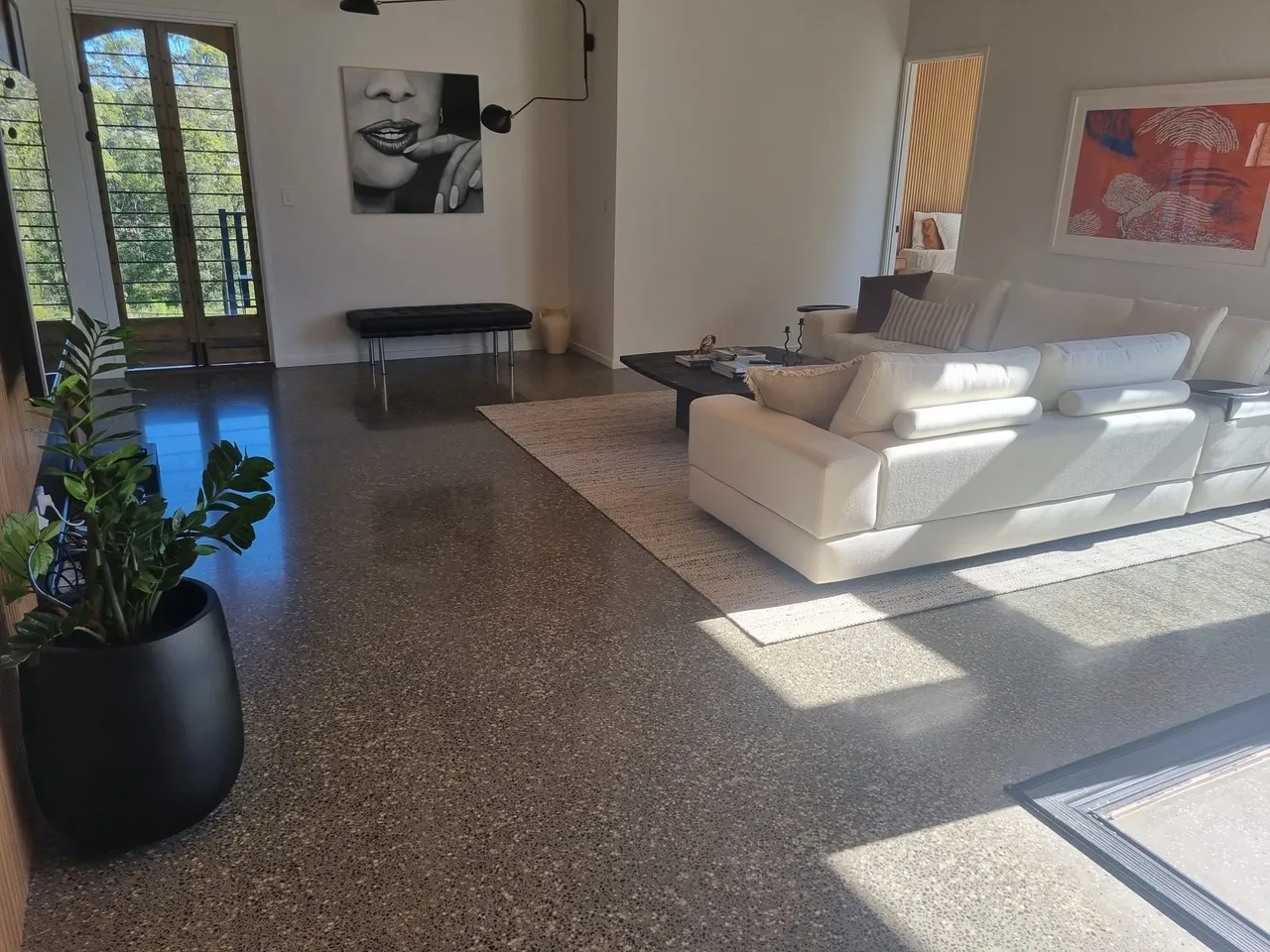
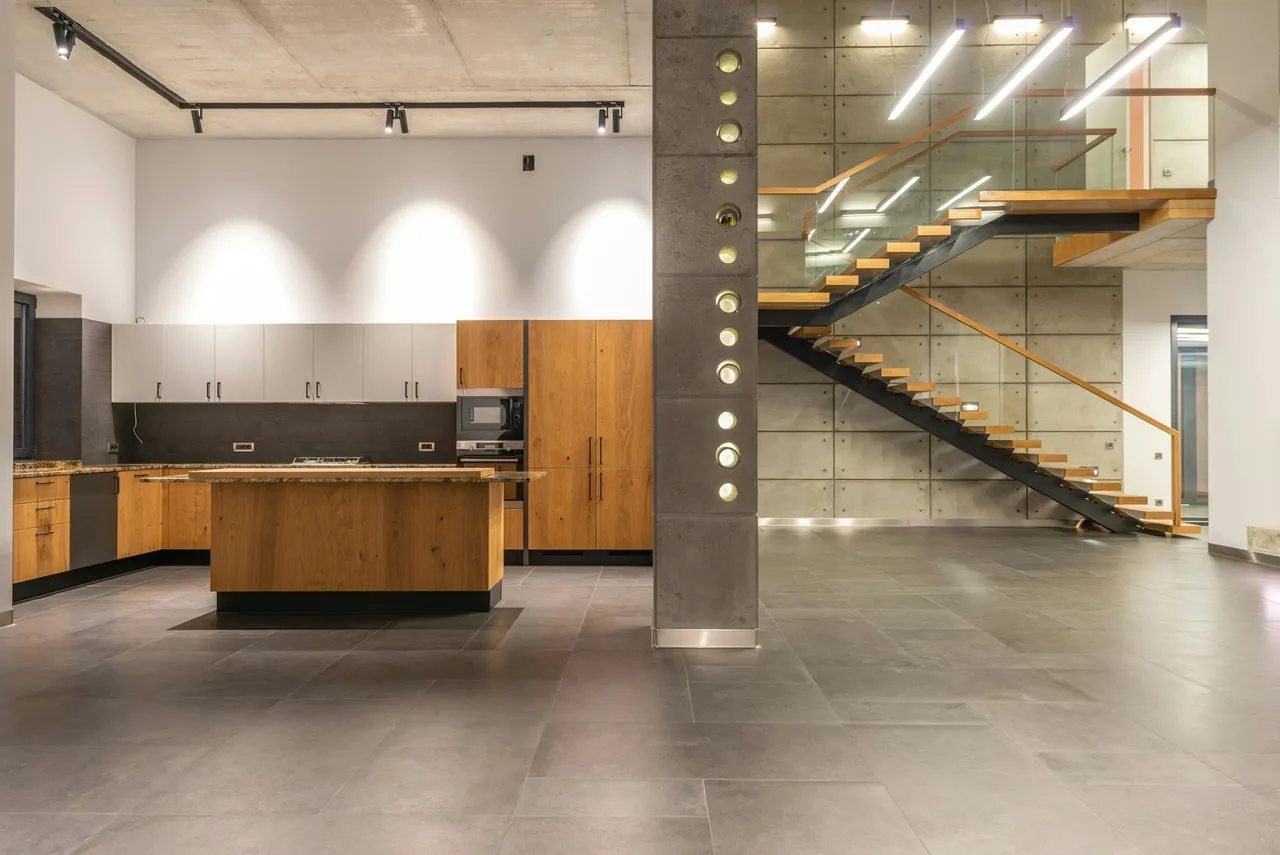
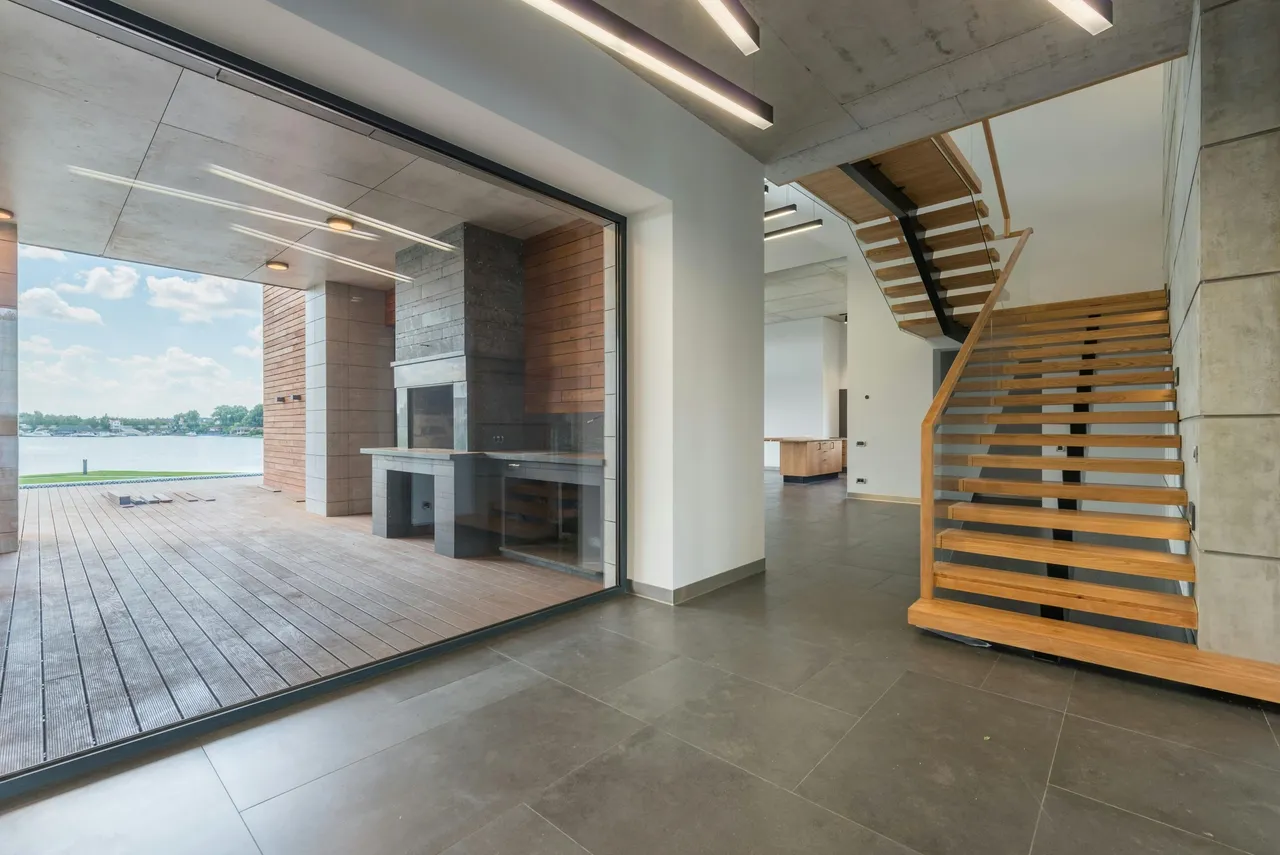
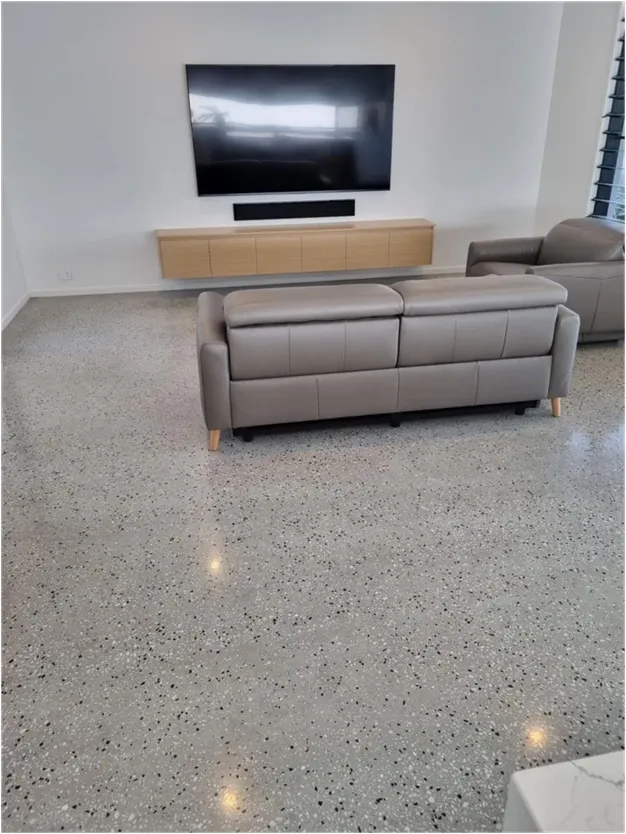
For residential spaces like living rooms and bedrooms, polished concrete is generally preferred. Its natural, clean look works well in open-concept areas and can create a sense of continuity throughout the home. While polished concrete can feel cold, the addition of rugs and heating systems can offset this issue.
Epoxy flooring is less common in living rooms and bedrooms due to its industrial look, but it can be suitable for modern, minimalist interiors. However, most homeowners opt for polished concrete due to its aesthetic appeal and ability to complement a variety of home decor styles.
4. Commercial Spaces:
Both polished concrete and epoxy flooring are popular in commercial settings, but the best choice depends on the nature of the business. For retail stores, showrooms, and offices, polished concrete provides a professional, high-end look that’s easy to maintain. Its reflective surface can also improve lighting in the space, creating a more inviting environment for customers and employees.
In contrast, epoxy flooring is ideal for commercial kitchens, laboratories, or warehouses where chemical resistance and hygiene are paramount. Epoxy’s durability against heavy foot traffic, machinery, and spills make it suitable for industries with more demanding environments.
5. Industrial Settings:
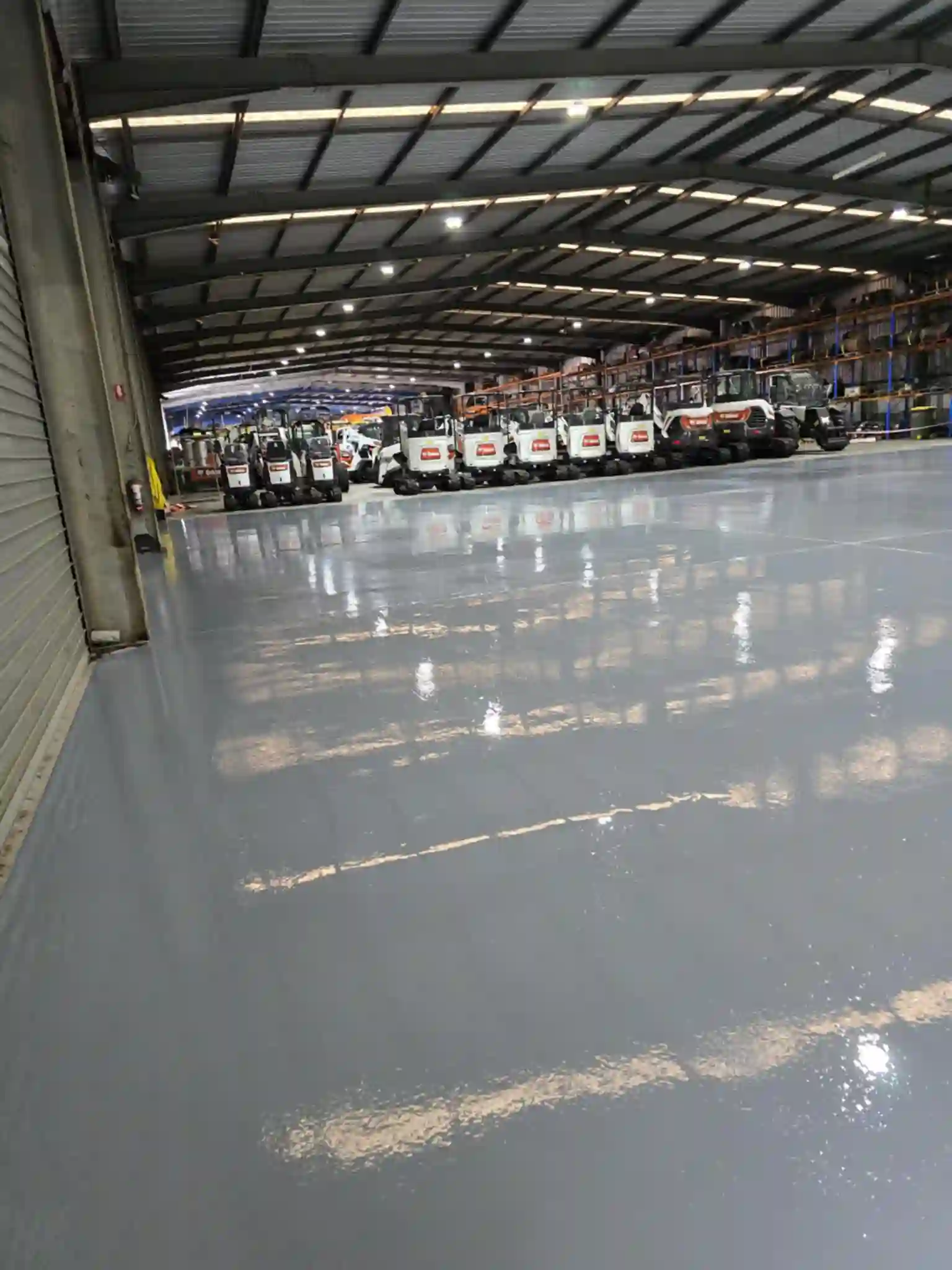
In industrial settings, epoxy flooring is usually the go-to option due to its superior chemical resistance and durability. Epoxy can withstand the weight of heavy machinery, frequent spills, and exposure to various chemicals, making it ideal for factories, warehouses, and manufacturing facilities.
Polished concrete can also work well in certain industrial spaces, particularly in areas not exposed to chemicals or heavy machinery. However, epoxy generally offers better protection and safety features for industries with rigorous demands.
Conclusion:
When it comes to choosing between polished concrete and epoxy flooring, both options have unique advantages and are suited for different applications. Polished concrete shines in residential and commercial spaces where aesthetics, durability, and low maintenance are key. Its sleek, sophisticated look complements a variety of interior styles and adds an industrial charm to any space.
Epoxy flooring, with its resilience against chemicals, spills, and heavy impacts, is better suited for garages, commercial kitchens, and industrial settings. Its customisable options and slip-resistant additives make it a versatile choice for environments that require both durability and style.
Ultimately, your decision should be guided by the specific needs of your space, considering factors like foot traffic, exposure to chemicals, and desired aesthetics. Whether you choose polished concrete or epoxy, investing in a high-quality flooring