Skip to content

When it comes to modern flooring solutions, two options often come up in conversation: polished concrete floors and concrete overlays. At first glance, they may look similar, but in reality, they are quite different in how they are installed, how they perform, and how long they last.
At Grind & Shine Concrete, we regularly get asked which of these two flooring methods is better. The answer depends on your project, your budget, and your long-term expectations. In this guide, we’ll break down the differences between polished concrete floors and concrete overlays so you can make an informed choice.
What Are Polished Concrete Floors?
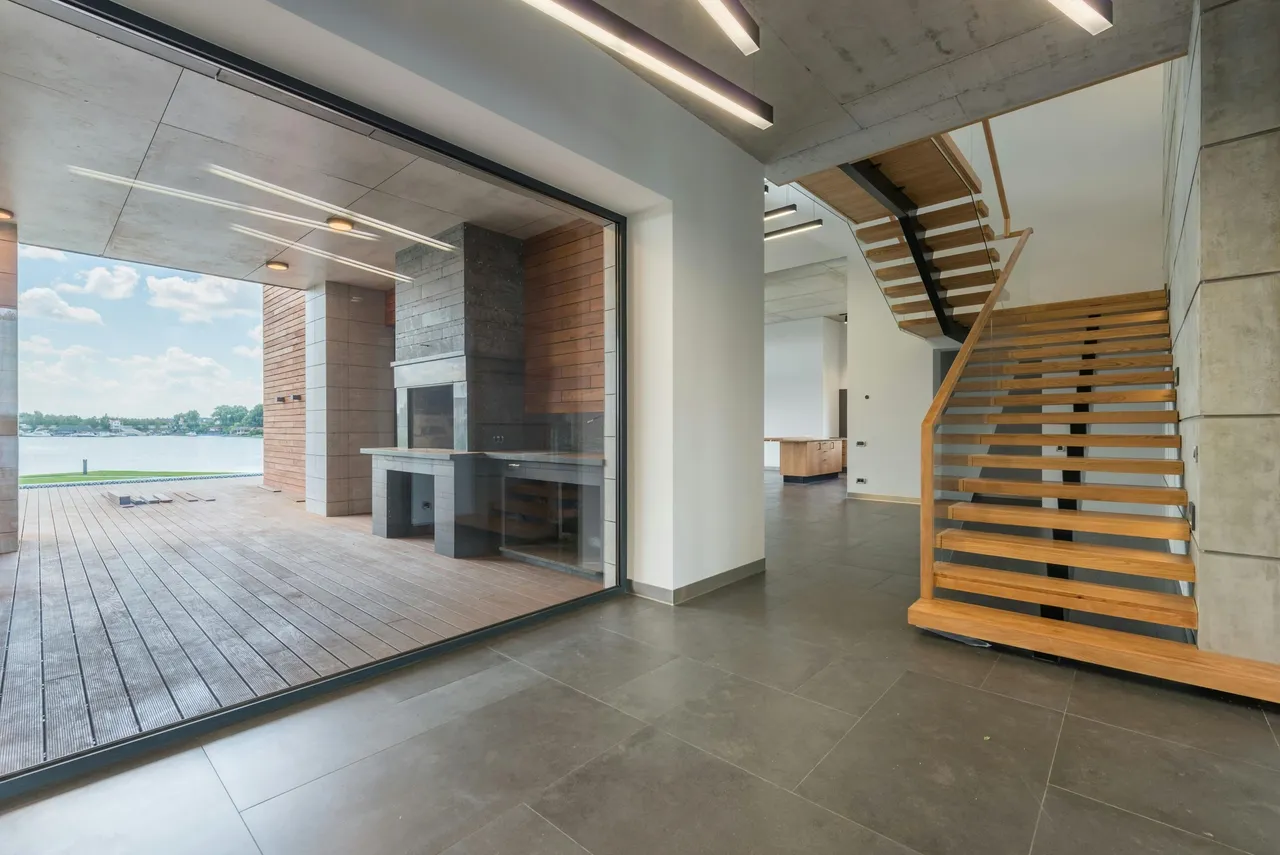
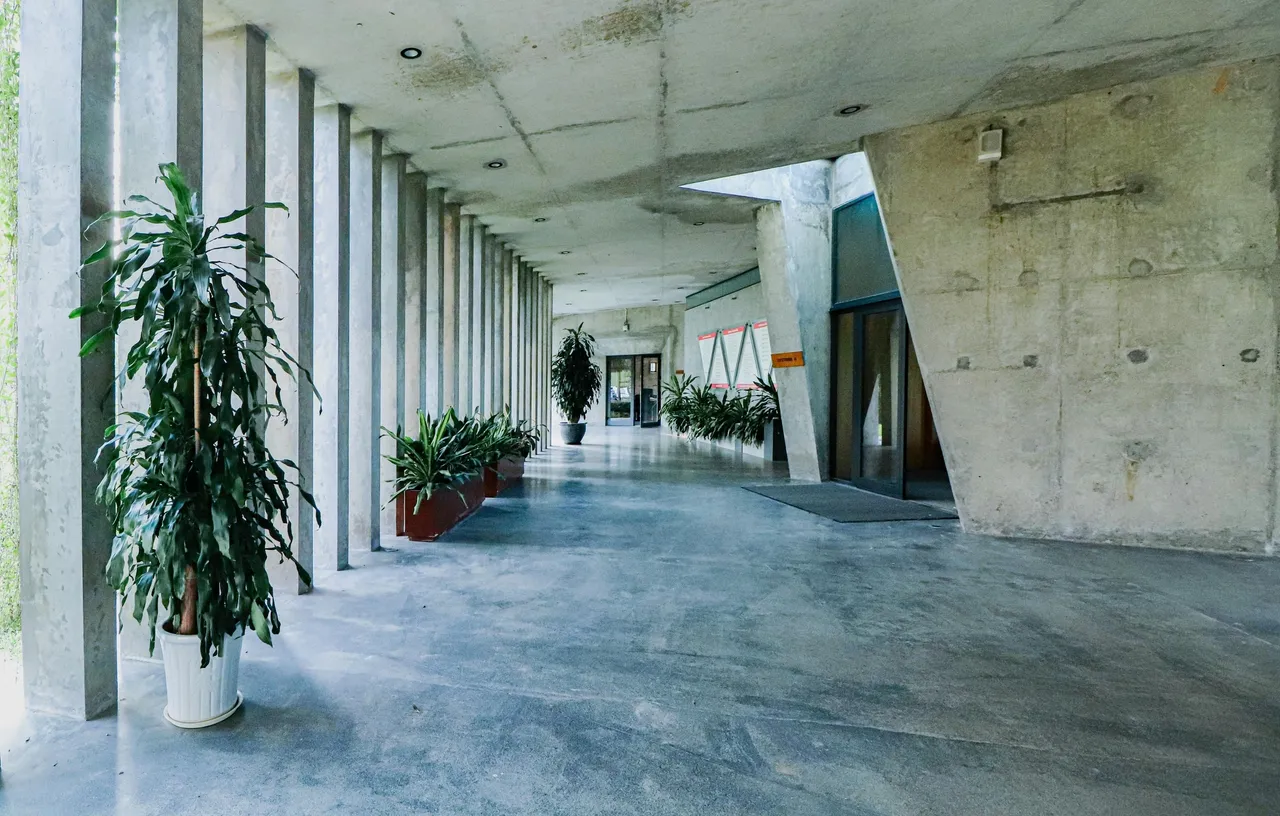
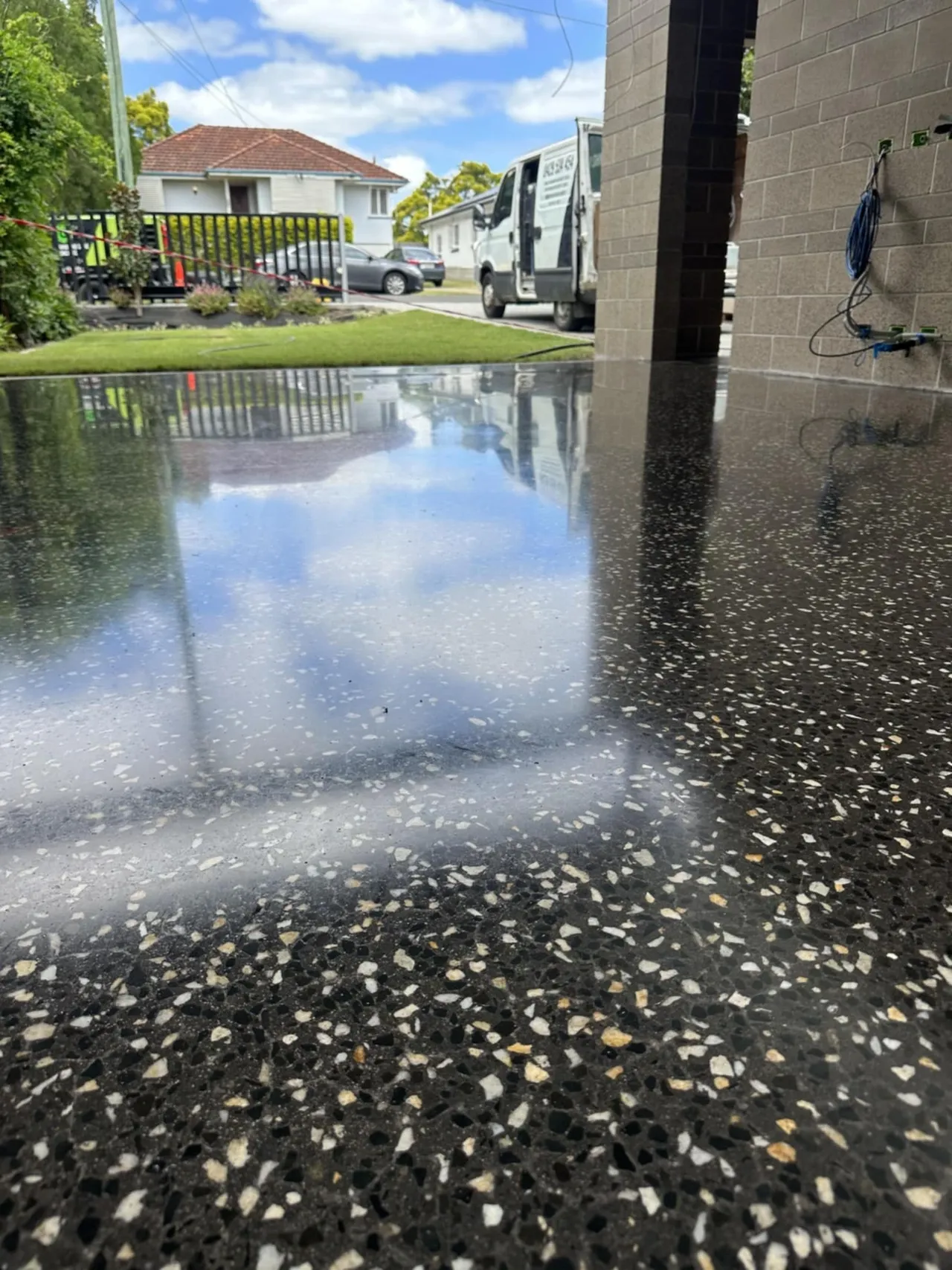
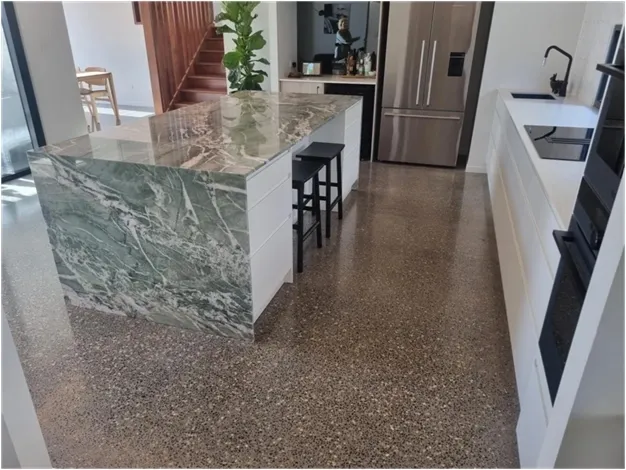
Polished concrete floors are created by mechanically grinding and polishing the existing concrete slab until it becomes smooth, dense and reflective. The process involves multiple steps of grinding, honing, densifying and polishing, which brings out either a matte, satin, or high-gloss sheen.
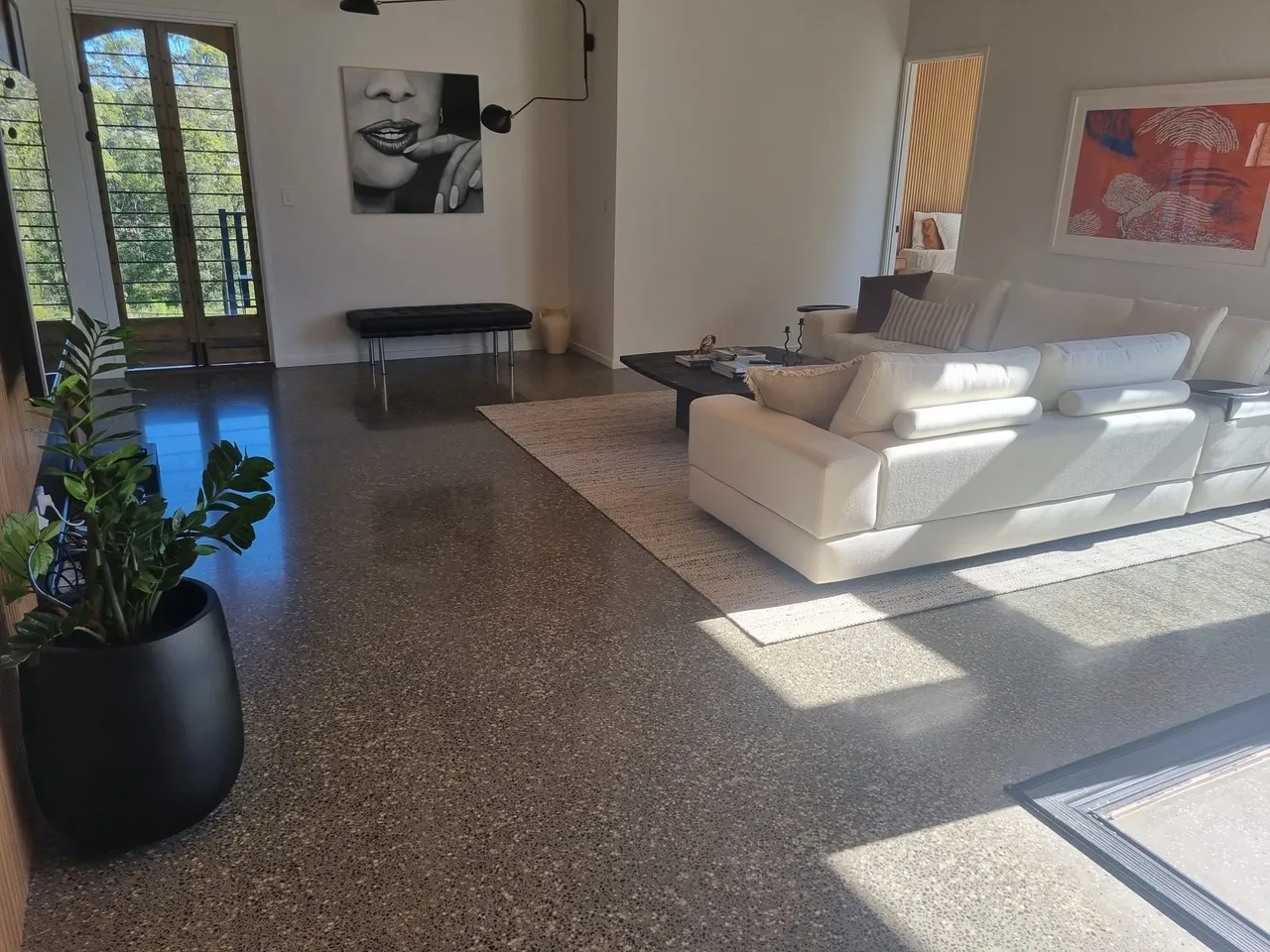
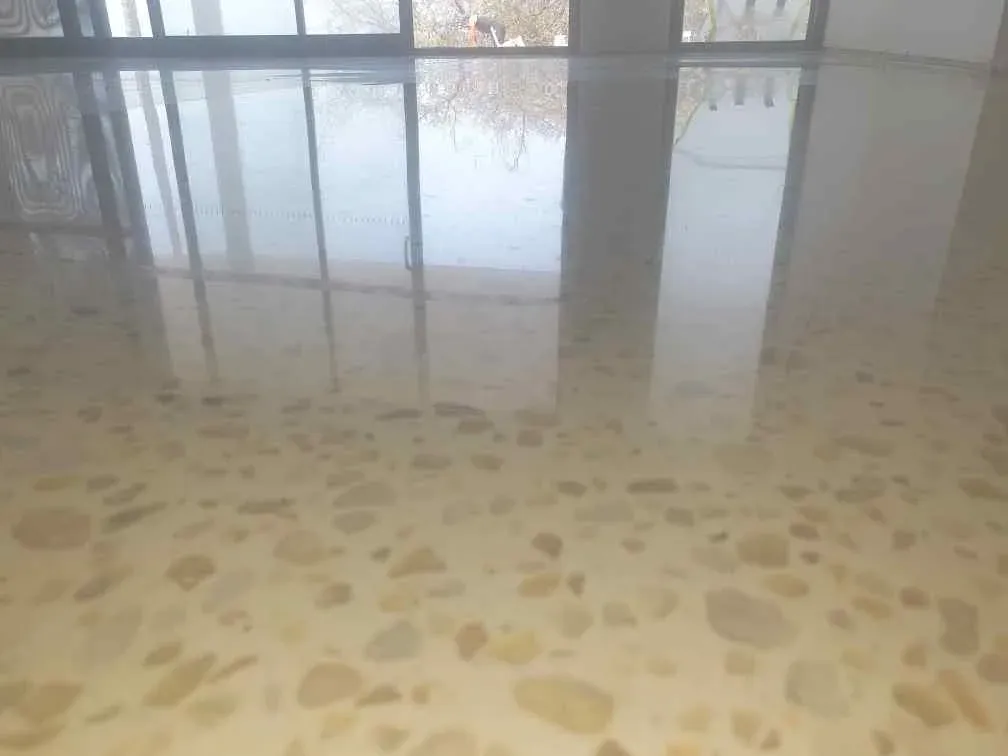
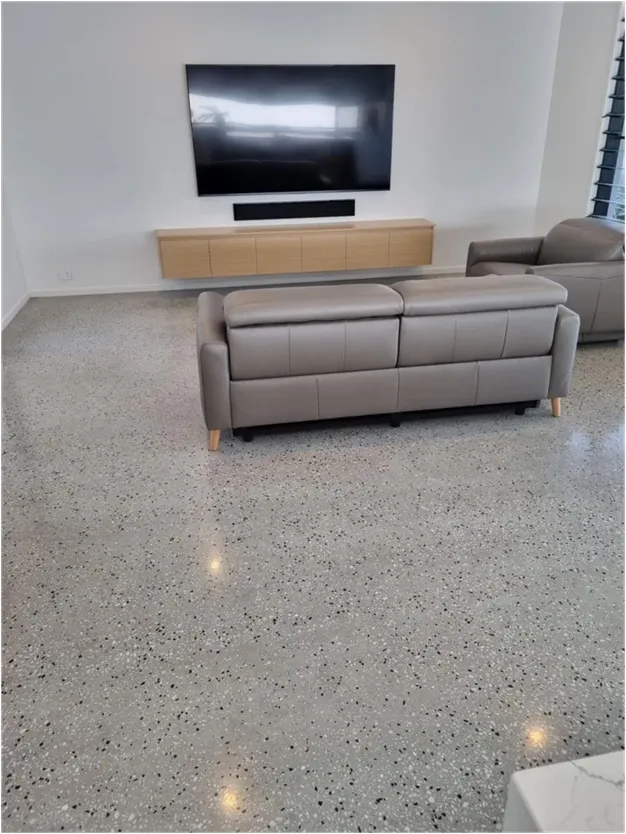
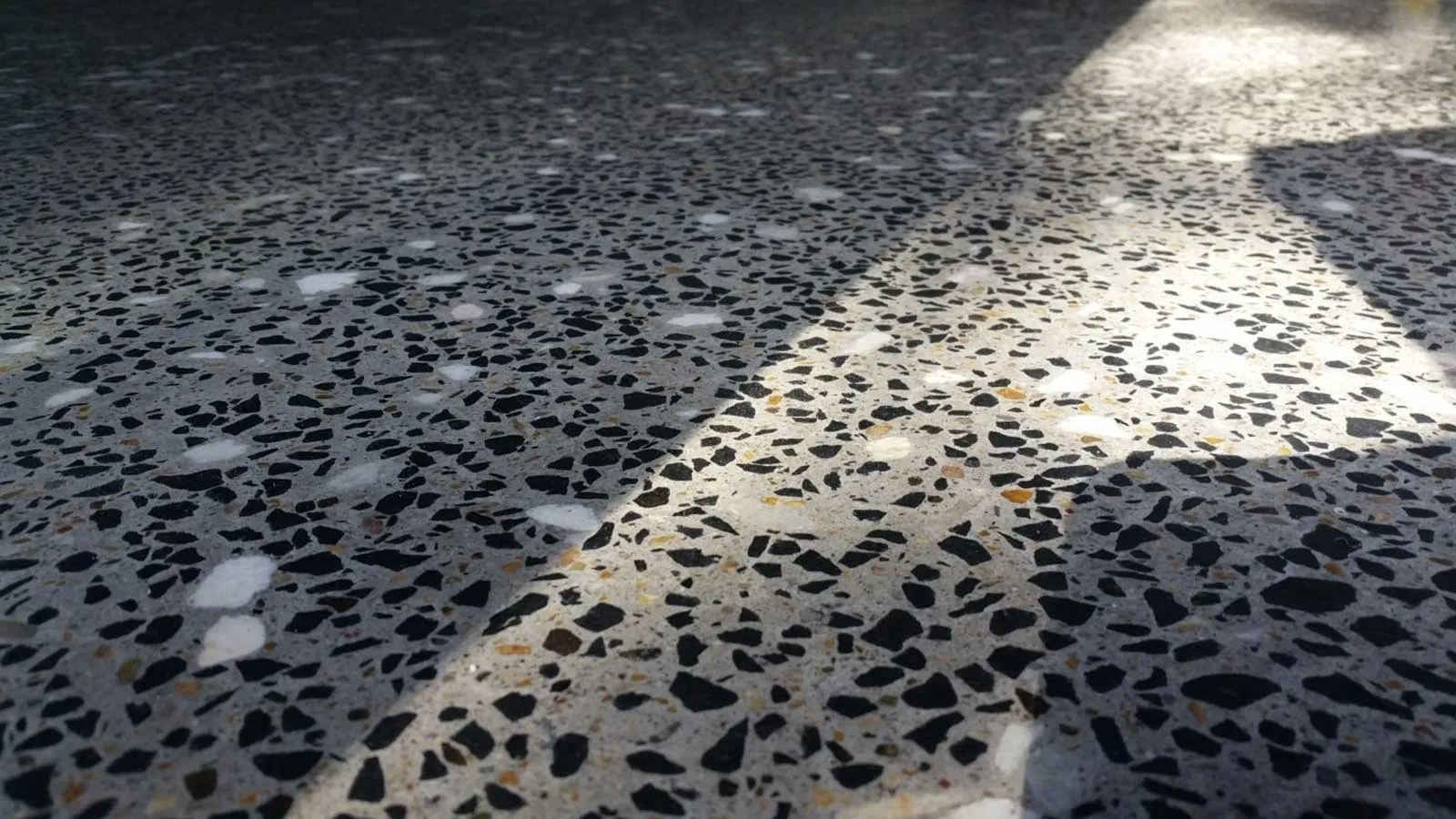
Because the slab itself is the finished product, polished concrete floors are incredibly durable and cost-effective over the long term. They highlight the natural character of the slab, including any aggregate exposure, and can be customised with different levels of sheen or decorative treatments.
What Are Concrete Overlays?
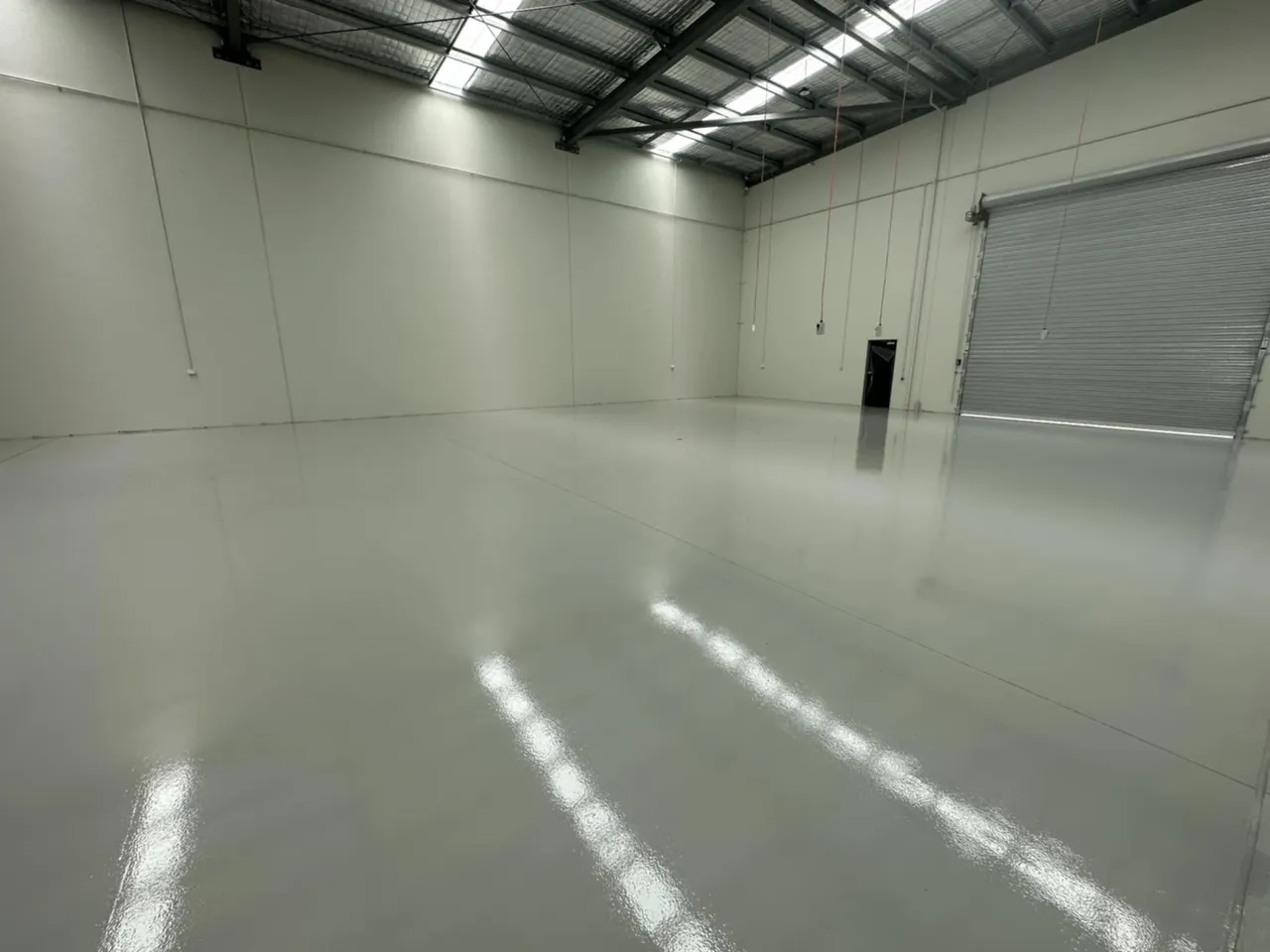
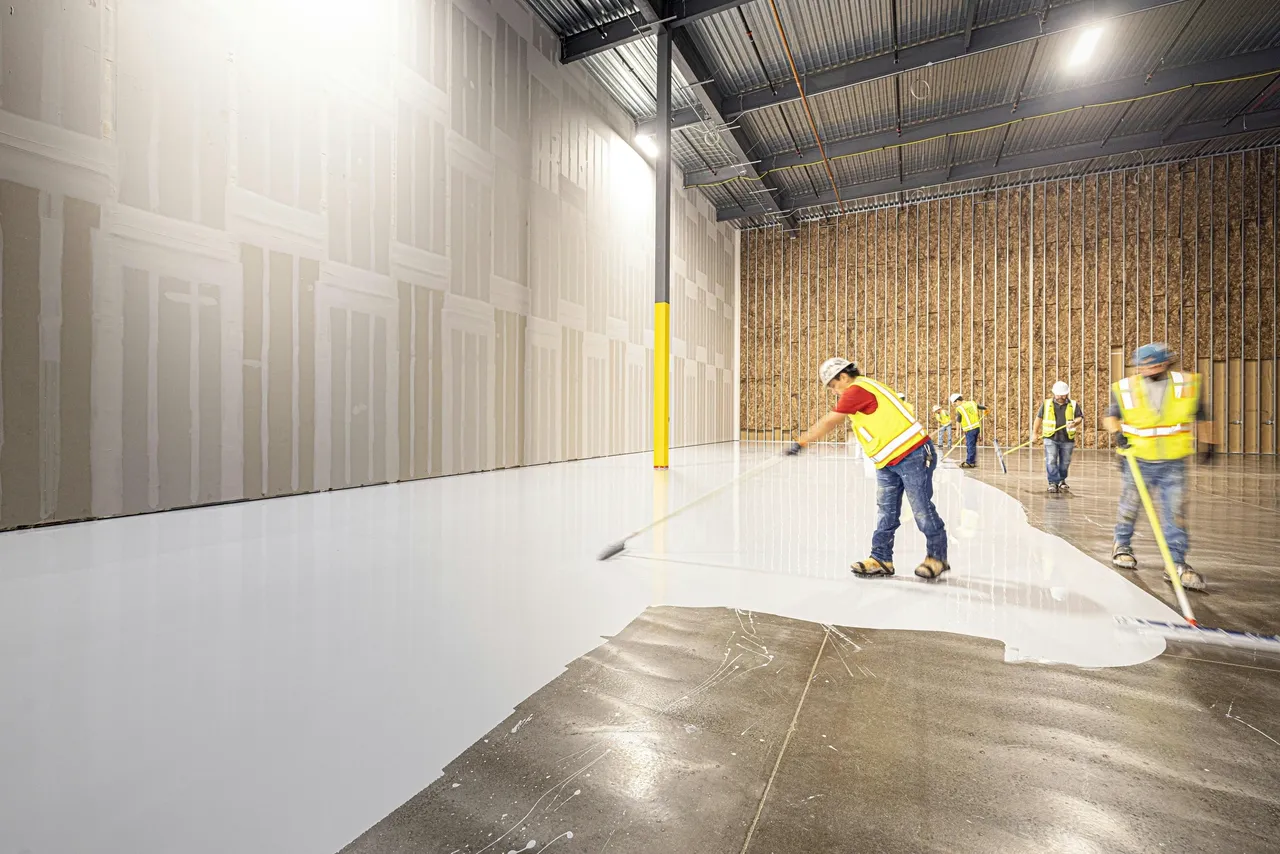
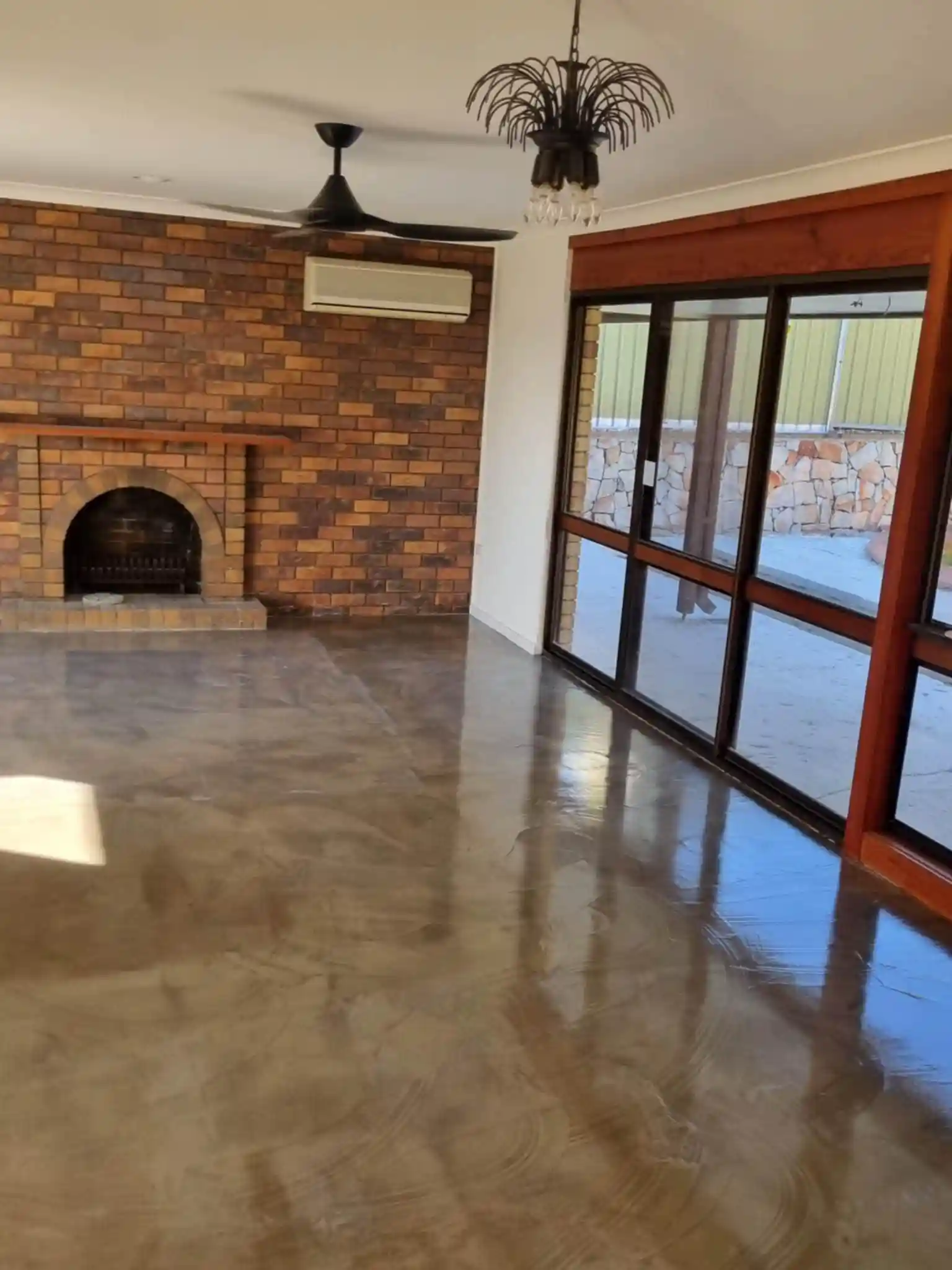
Concrete overlays (sometimes called micro-toppings or resurfacing systems) are thin layers of new material applied over an existing slab. They’re designed to cover imperfections, repair damage, or create a decorative finish without polishing the slab itself.
Overlays come in various types, including:
- Self-levelling overlays to create a smooth, level surface.
- Decorative overlays that can be stamped, stained, or textured.
- Micro-toppings for a fresh skim coat over worn or damaged concrete.
While overlays can create a new surface look, they don’t have the same long-term strength as polished concrete floors because they rely on a bonding layer over the slab.
Key Differences Between Polished Concrete Floors and Concrete Overlays
1. Durability
Polished concrete floors are hard-wearing and built to last decades because the slab itself is the surface. In contrast, overlays are thinner and may chip, crack or delaminate over time, especially under heavy traffic.
2. Maintenance
Polished floors require minimal upkeep — just sweeping and mopping with a neutral cleaner. Overlays may require sealing and resealing depending on the product, which adds maintenance and cost over time.
3. Aesthetics
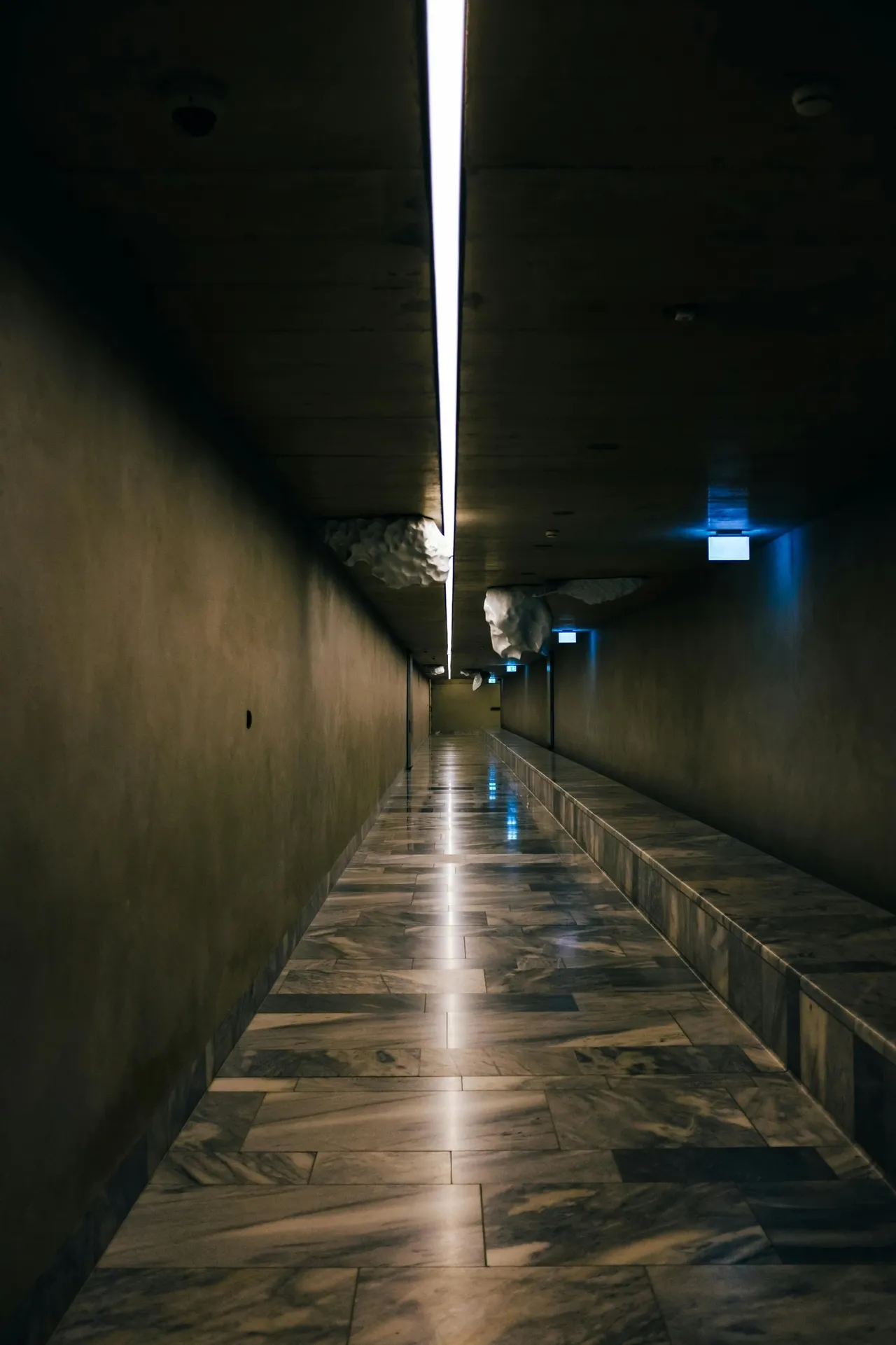
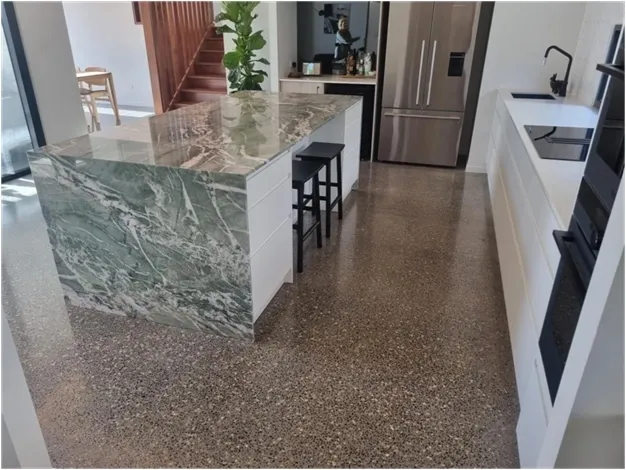
Polished concrete highlights the natural stone and aggregate within the slab, offering a sleek, modern look. Overlays give more control over colour, texture and patterns but often lack the authentic, timeless feel of polished concrete floors.
4. Cost
Upfront, overlays may sometimes be cheaper if you only need a quick cosmetic fix. However, polished concrete floors are more cost-effective in the long run because they last longer and require less maintenance.
5. Installation
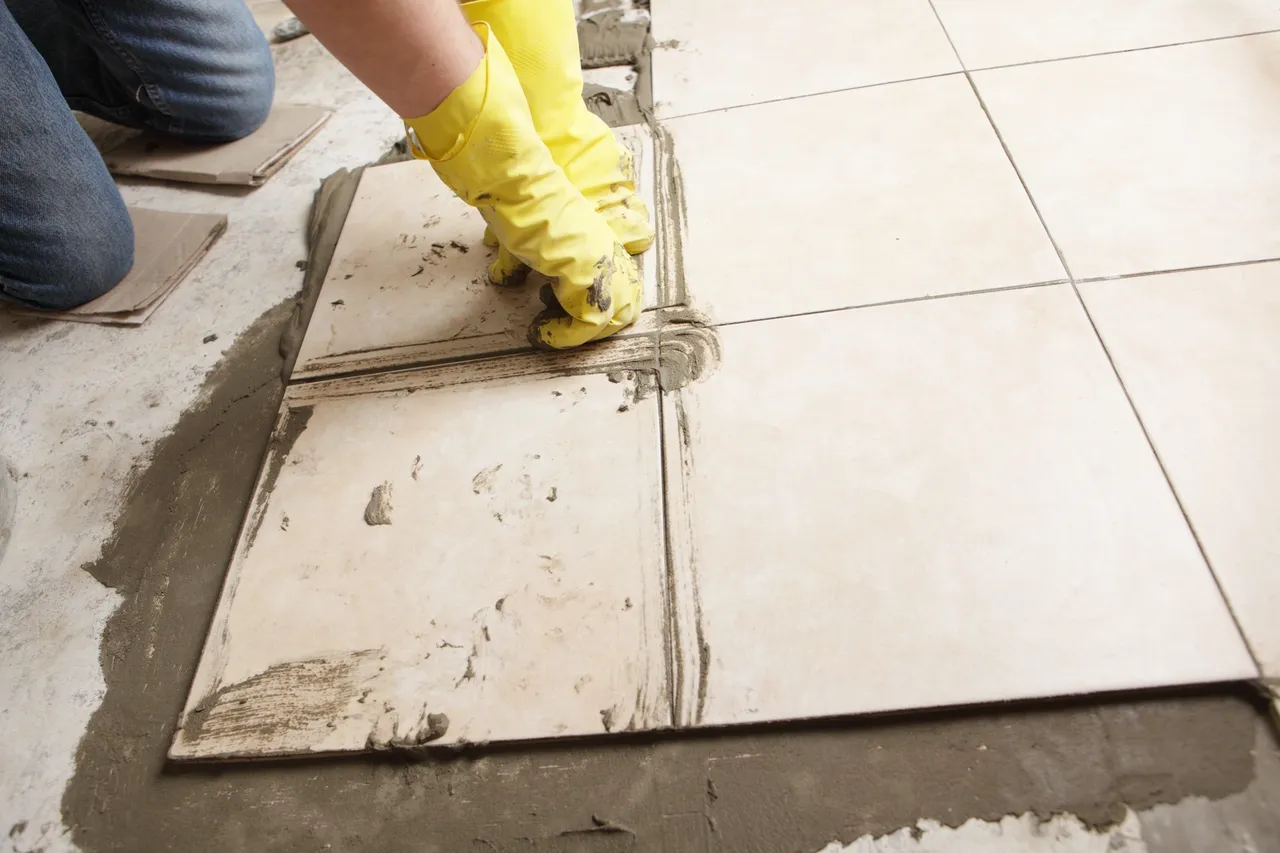
Polishing relies on the quality of the existing slab. If the slab is in good condition, polishing is ideal. If it’s severely damaged, an overlay may be the better option. Overlays can cover flaws, but they won’t be as strong as polishing a sound slab.
When to Choose Polished Concrete Floors
Polished concrete is the right choice when:
- Your slab is structurally sound and in reasonable condition.
- You want a low-maintenance, long-lasting surface.
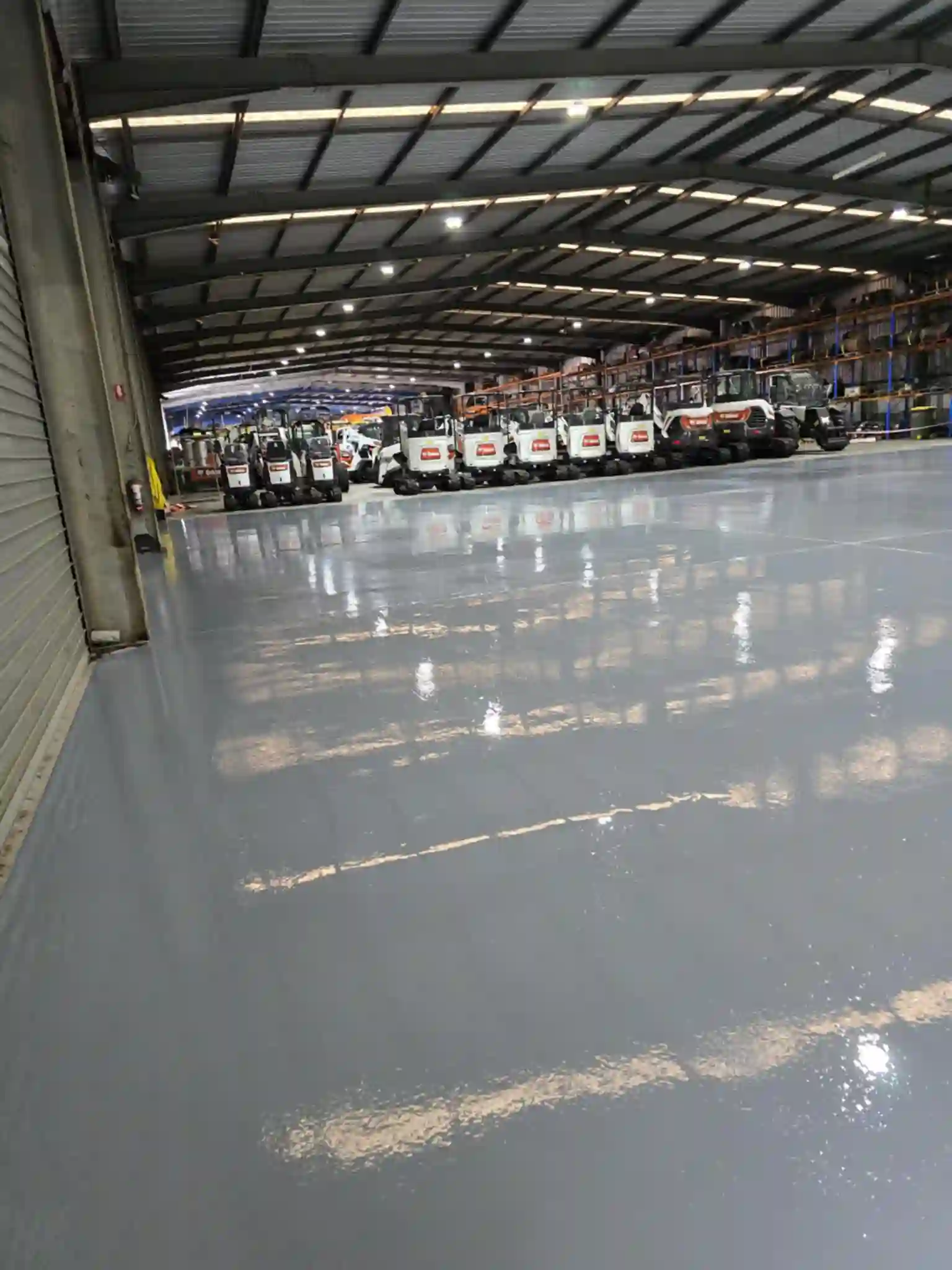
- The project is residential, commercial, or industrial and needs to handle heavy use.
- You prefer a natural, modern look with customisable finishes.
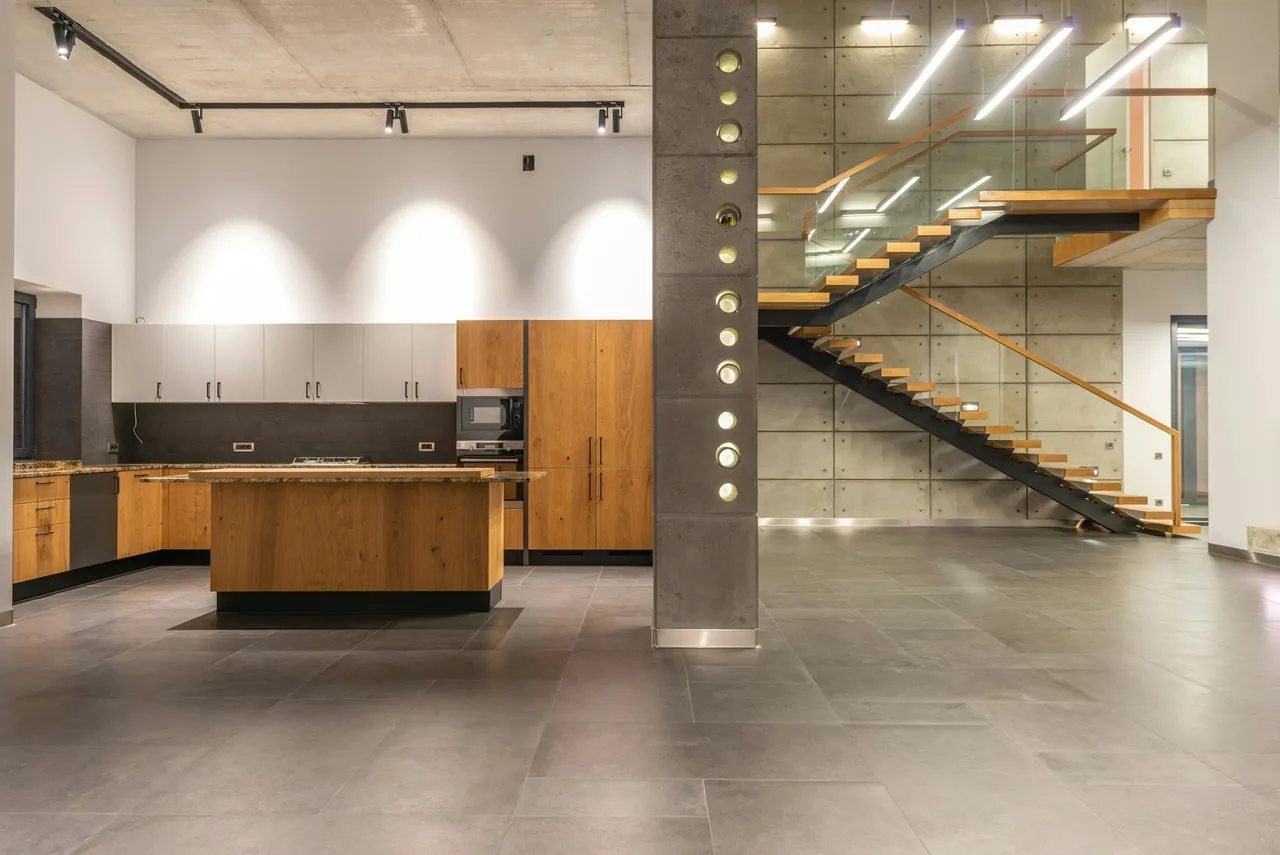
From homes and retail showrooms to warehouses and galleries, polished concrete floors work virtually everywhere thanks to their combination of strength and style.
Which Is Better for Your Project?
The choice often comes down to what you want your floor to achieve. If you’re looking for a permanent, low-maintenance flooring solution that lasts decades, polished concrete floors are the best option. They’re cost-effective, stylish, and versatile, making them ideal for residential, commercial, and industrial projects.
While some people consider overlays for decorative purposes or to cover damaged slabs, they don’t offer the same durability or long-term performance.
Why Grind & Shine Concrete Is Your Trusted Flooring Partner
Choosing between polished concrete floors and overlays is a big decision — and it pays to have experts on your side. Our team at Grind & Shine has decades of experience with both systems and can give you honest advice on what will work best for your space.
We don’t push one method over the other; instead, we guide you towards the right solution for your property, budget and timeline. That’s why homeowners, builders and businesses across Brisbane and beyond trust us with their flooring projects.
Invest in Flooring That Lasts
When comparing polished concrete floors vs concrete overlays, the winner for most long-term projects is clear. Polished concrete offers durability, low maintenance, and timeless style, while overlays provide a temporary or decorative fix where polishing isn’t possible.
If you’re unsure which is right for your space, talk to the experts. At Grind & Shine, we’ll help you assess your slab and recommend the best approach, ensuring you end up with a floor that looks amazing and performs for years to come.