Skip to content


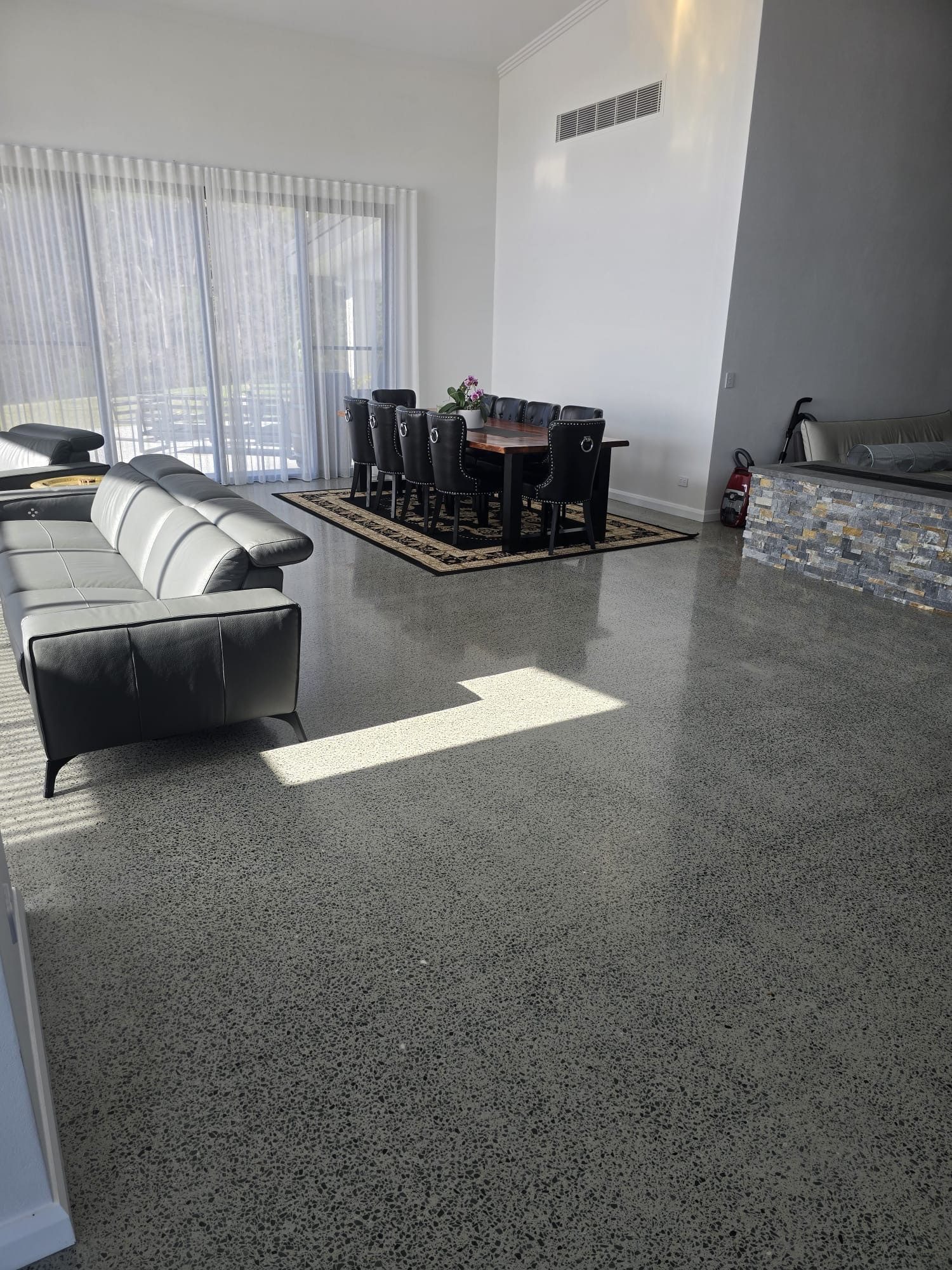
If you’re considering polished concrete flooring for your home or commercial property, one of the first questions you’re likely to ask is how much it will cost. Polished concrete has become an increasingly popular flooring choice across Brisbane, offering a combination of durability, a modern appearance and relatively straightforward maintenance. However, the final price can vary depending on several important factors.
Understanding polished concrete cost in Brisbane before starting your project can help you plan your budget, compare flooring options and make a more informed decision. From the condition of your existing concrete slab to the level of aggregate exposure and finish you choose, there are several things that influence the overall investment.
At Grind & Shine, we help homeowners and businesses throughout Brisbane find practical, attractive concrete flooring solutions. Every project is different, which is why we take the time to understand the existing surface, the desired finish and the requirements of the space before providing a quote.
In this guide, we’ll explain what influences polished concrete pricing, what you can expect from the installation process and how to decide whether polished concrete is the right flooring option for your property.
How Much Does Polished Concrete Cost in Brisbane?
The cost of polished concrete depends on the size of the area, the condition of the existing slab and the finish you want to achieve.
As an indicative guide, Grind & Shine publishes pricing of approximately 90–130 per square metre for polished concrete flooring. This should be treated as a starting point rather than a fixed price, as the actual cost will depend on the requirements of your individual project.
For example, a large, relatively new concrete slab that is already in good condition may require less preparation than an older floor with cracks, uneven sections or previous coatings.
Similarly, a simple finish may involve fewer stages than a more decorative option with greater aggregate exposure or a higher level of refinement.
When considering polished concrete cost in Brisbane, it’s important to look beyond the advertised square metre rate. The preparation, equipment, materials and finish all contribute to the final result.
At Grind & Shine, we recommend arranging an assessment so the team can understand the condition of your floor and provide a quote based on the work actually required.
What Factors Affect the Cost of Polished Concrete?
There isn’t one price that applies to every polished concrete project. Several factors can influence the amount of work involved and, consequently, the overall cost.
Here are some of the main considerations.
1. The Condition of Your Existing Concrete Slab
One of the biggest influences on pricing is the condition of the concrete you already have.
Polished concrete works by mechanically grinding and refining the existing slab. This means the quality and condition of the original concrete play an important role in determining the final appearance.
A relatively smooth, level slab in good condition may require less preparation. An older slab, on the other hand, might have cracks, surface damage, glue residue, previous coatings or uneven areas that need attention.
Additional preparation may involve:
- Removing old adhesives or coatings.
- Grinding down uneven sections.
- Preparing cracks and damaged areas.
- Addressing surface imperfections.
- Completing additional grinding to achieve a consistent finish.
The more preparation required, the more time and work may be involved.
This is why an on-site assessment is important. At Grind & Shine, we consider the existing slab before recommending the most suitable approach.
2. The Size of the Area
The overall size of your flooring project can also influence the price.
Larger areas generally provide greater efficiency when equipment and labour are being used across the floor. This can sometimes result in a lower cost per square metre compared with smaller projects.
However, the total project cost will naturally increase as the area being treated becomes larger.
Smaller areas can also involve additional considerations, particularly if there are narrow sections, corners or difficult access points that require more detailed work.
When requesting a quote, it’s helpful to provide an approximate measurement of the area you want polished.
3. The Level of Aggregate Exposure
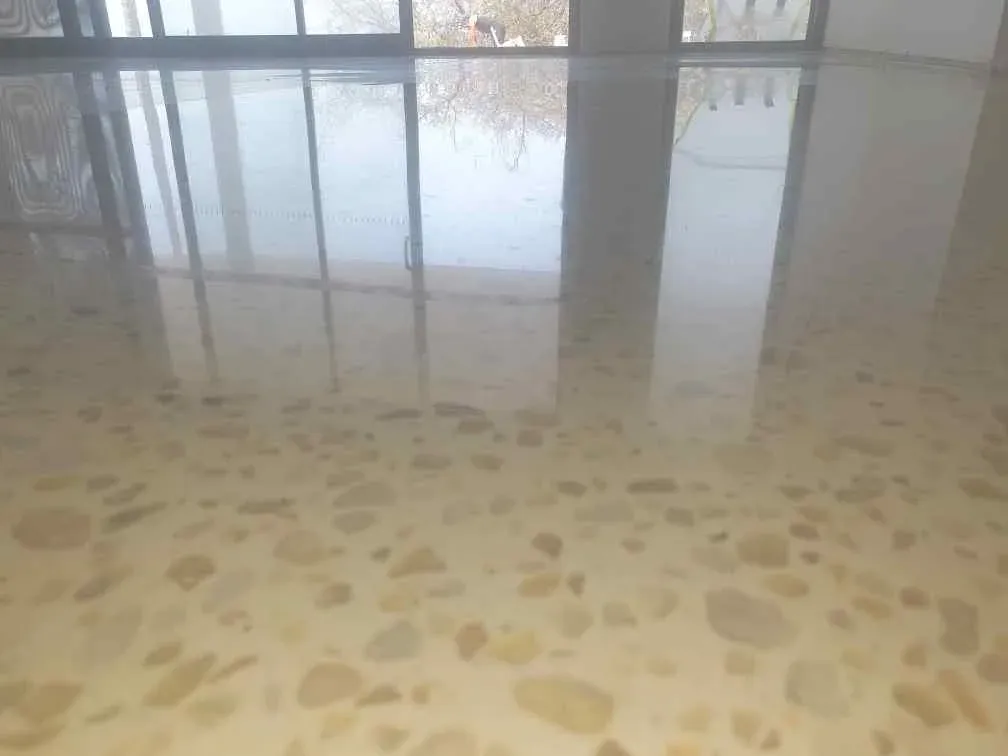
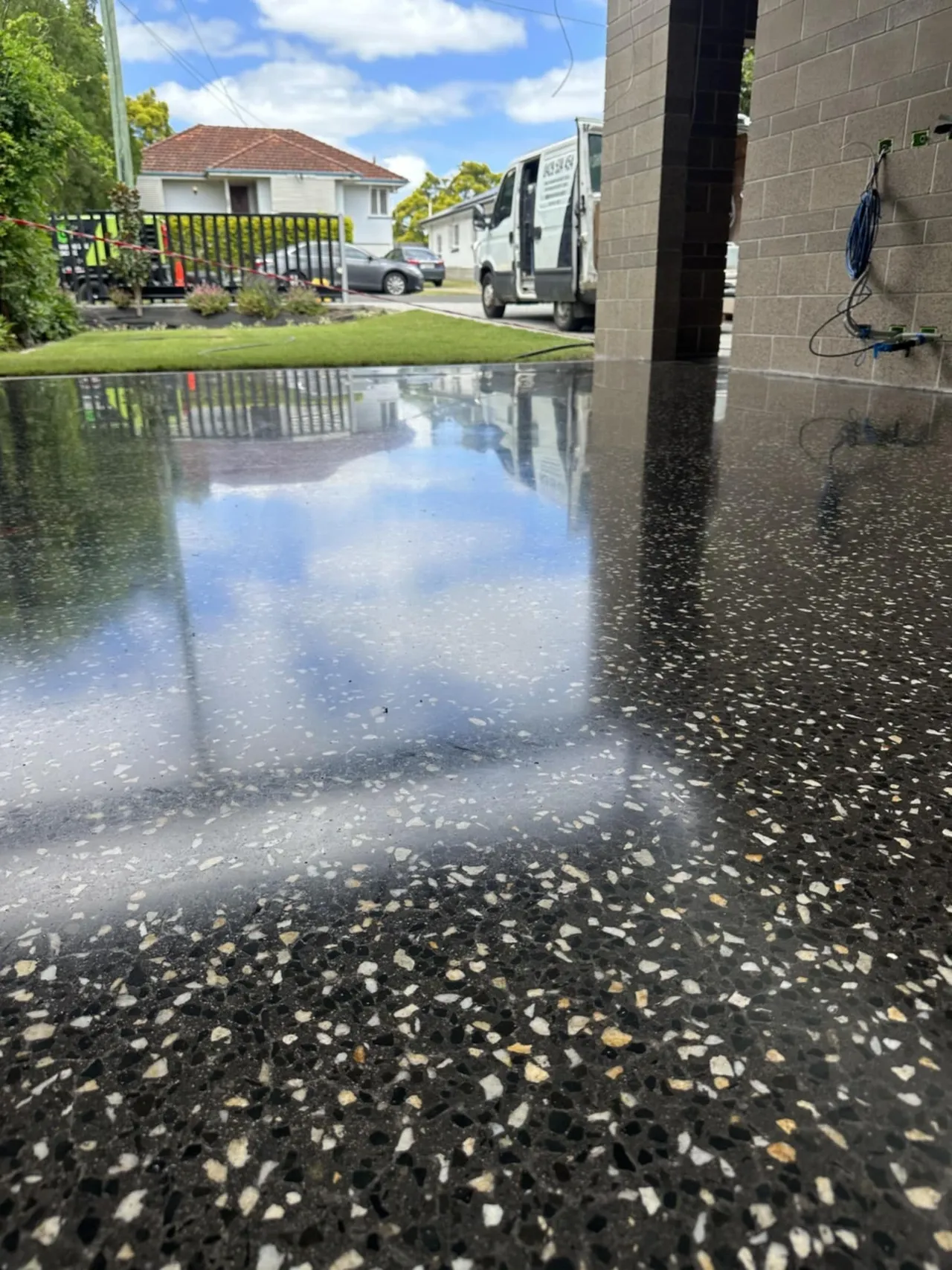
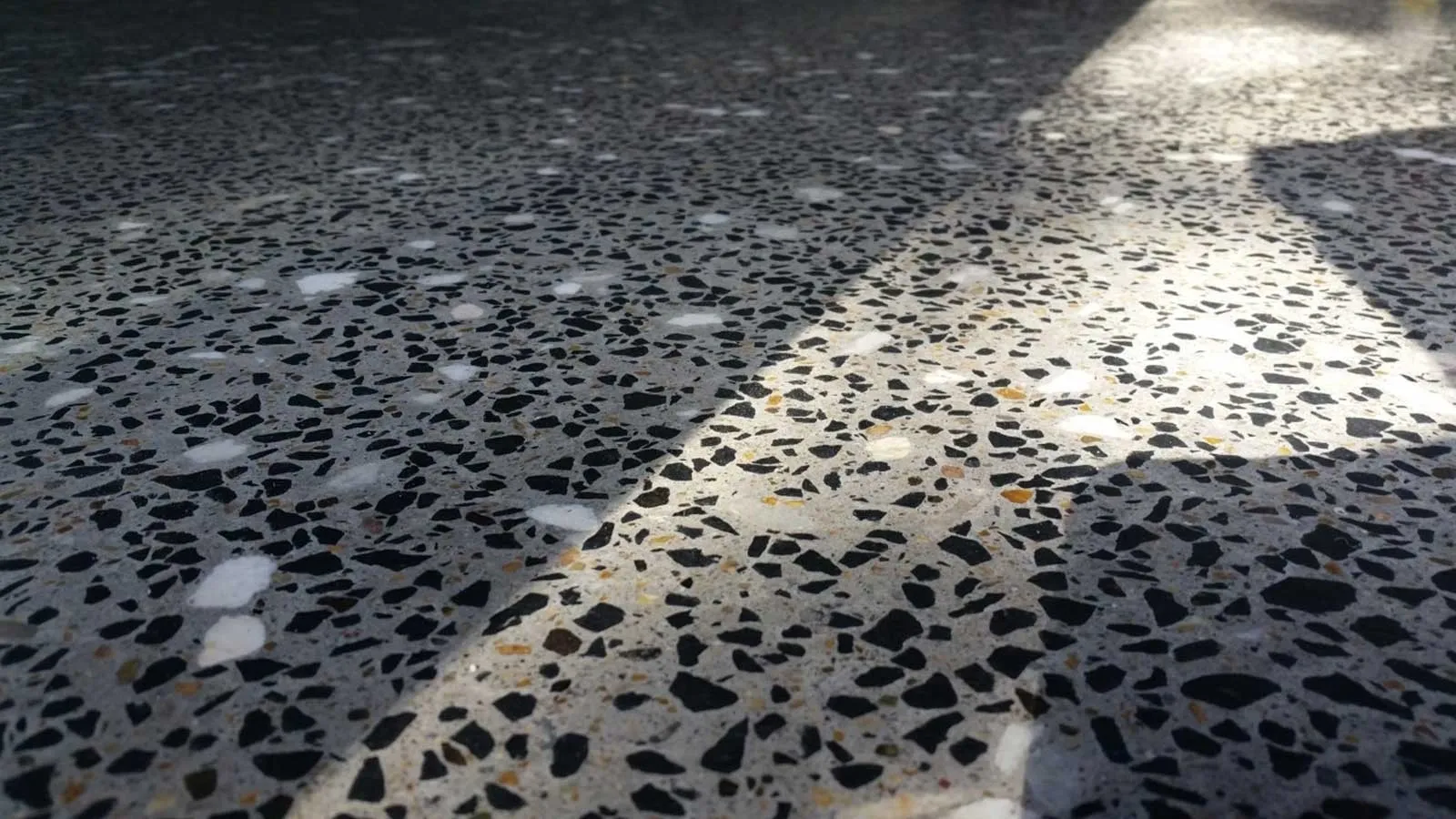
One of the most appealing aspects of polished concrete is the ability to customise how much of the natural stone and aggregate within the slab is visible.
The amount of grinding required will depend on the appearance you’re hoping to achieve.
There are several common exposure options.
Nil Exposure
Nil exposure creates a relatively uniform appearance with little to no visible aggregate. It is a popular option for people who prefer a clean, understated concrete finish.
Minimal Random Exposure
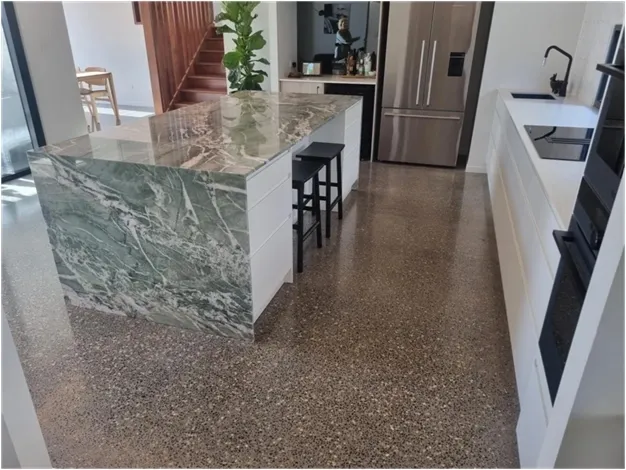
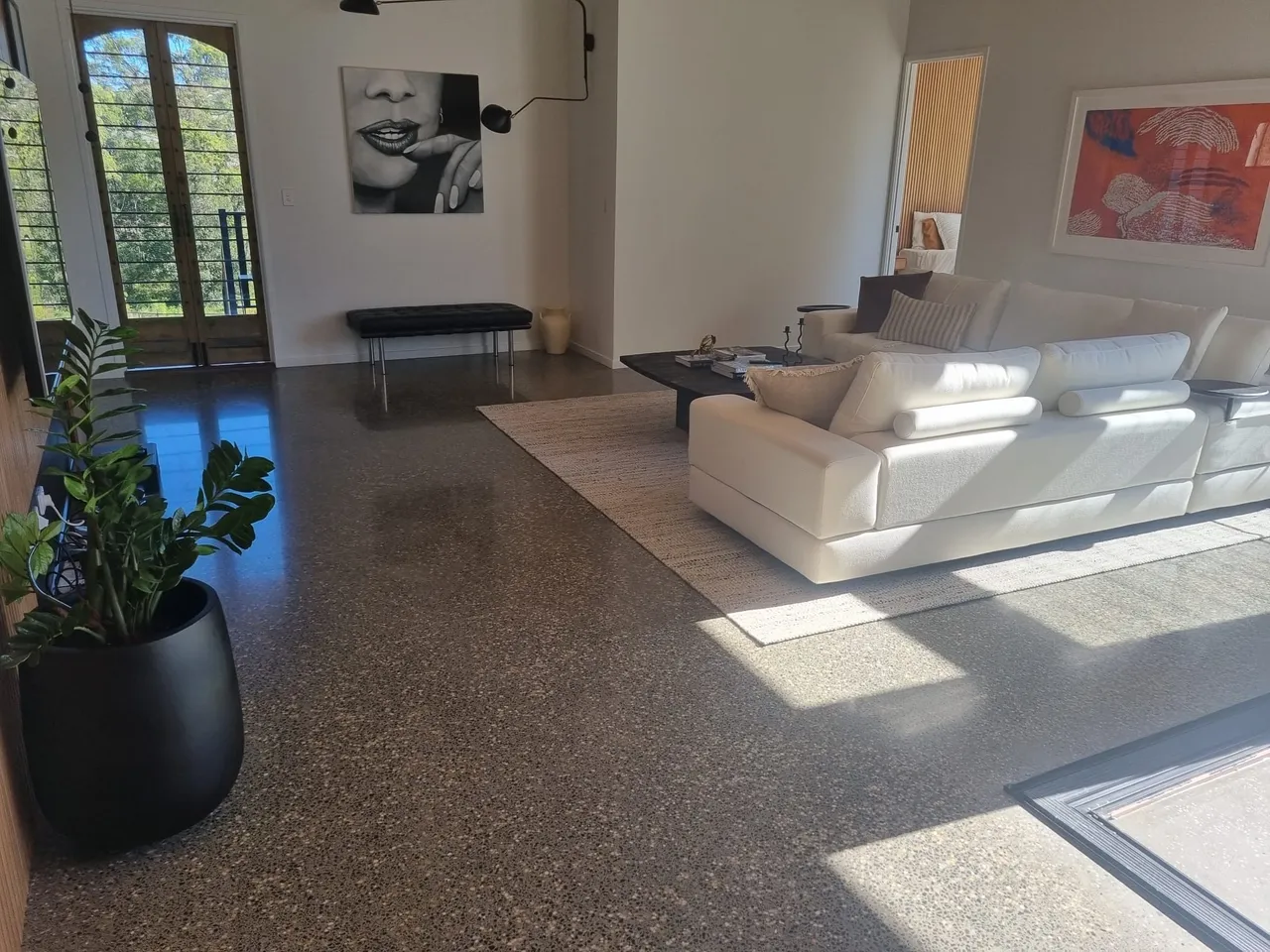
This finish reveals small amounts of aggregate in a more natural, varied pattern. It offers a little more texture and character without creating a heavily exposed appearance.
Full Exposure
Full exposure involves deeper grinding to reveal more of the aggregate within the concrete. The result is a more decorative finish that showcases the natural stones and variations in the slab.
The right option will depend on your preferences and the condition of the concrete.
You can explore the different concrete floor finishes offered by Grind & Shine to get a better understanding of the available styles.
4. The Level of Shine You Want
Along with aggregate exposure, the amount of shine you want will influence the finishing process.
Some people prefer a subtle, low-sheen appearance, while others want a more reflective surface.
Common options include:
- Matte: A softer appearance with minimal reflection.
- Semi-gloss: A balanced finish that provides some reflection without being overly shiny.
- High-gloss: A more reflective finish that creates a polished, contemporary appearance.
Higher levels of refinement can involve additional polishing stages, which may affect the overall cost.
It’s worth thinking about how the floor will be used and the style of the surrounding space before choosing a finish.
5. Repairs and Additional Preparation
Depending on the age and condition of the surface, some projects may require repairs or additional preparation before the polishing process can begin.
For example, old concrete may have visible cracks, small holes, surface damage or areas where previous flooring materials have been removed.
These issues need to be assessed before work starts, as they can affect both the preparation process and the final appearance.
It’s also important to understand that concrete has natural variations. Polishing can reveal characteristics within the slab that weren’t previously visible, and not every mark or imperfection can be completely removed.
An experienced concrete flooring team can help explain what is achievable before the project begins.
6. Access to the Work Area
The accessibility of the space can also influence the amount of work involved.
Open, accessible floor areas are generally easier to work across than spaces with narrow access points, multiple rooms, tight corners or obstacles.
For residential projects, furniture, appliances and personal belongings will generally need to be removed before work begins.
Commercial properties may have additional considerations, particularly where work needs to be coordinated around business operations or other trades.
Providing accurate information about the space when requesting a quote can help avoid unexpected issues later.
Does the Type of Polished Concrete Finish Affect Pricing?
Yes. The finish you select can make a difference to the amount of preparation and refinement required.
At Grind & Shine, different polished concrete finishes are available to suit a range of residential and commercial environments.
The main options include:
Matte Polished Concrete
A matte finish is ideal for people who want the natural character of concrete without a strong reflective appearance.
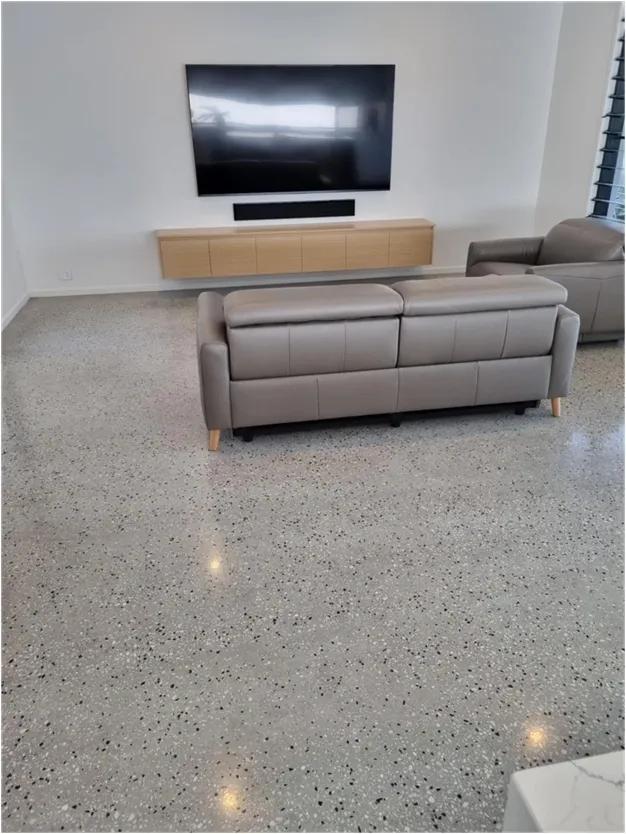
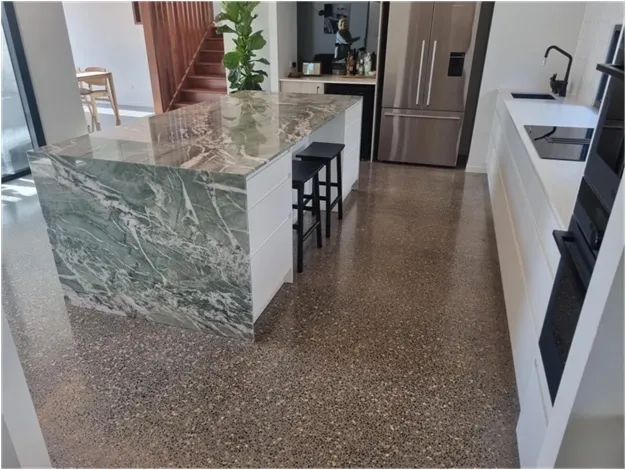
It offers a subtle, contemporary look that can work well in living areas, kitchens and other everyday spaces.
Semi-Gloss Polished Concrete
Semi-gloss sits between matte and high-gloss finishes. It offers a balanced appearance, providing some reflection while maintaining a relatively understated look.
This option can work well in both residential and commercial settings.
High-Gloss Polished Concrete
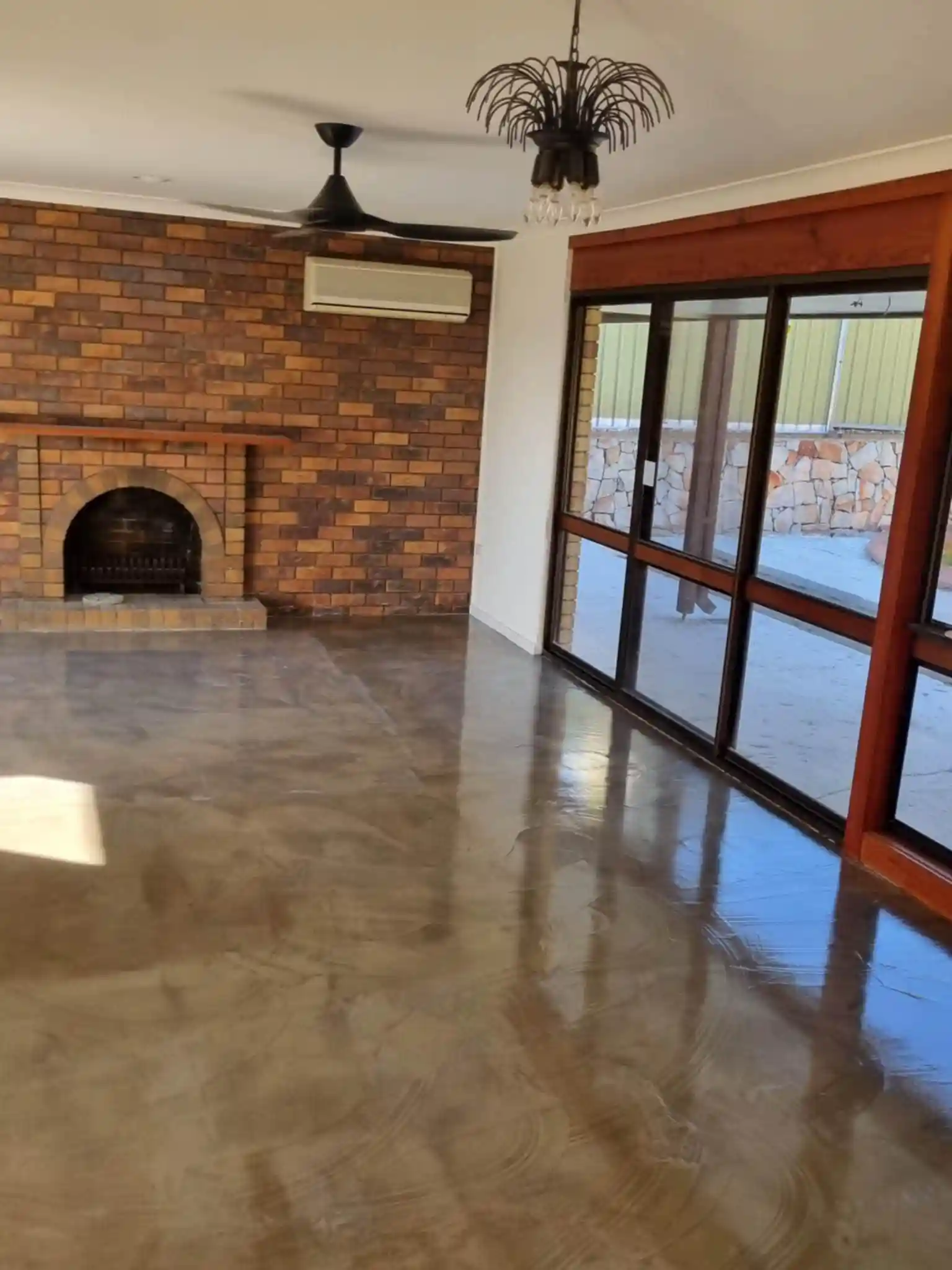
High-gloss finishes create a brighter, more reflective appearance.
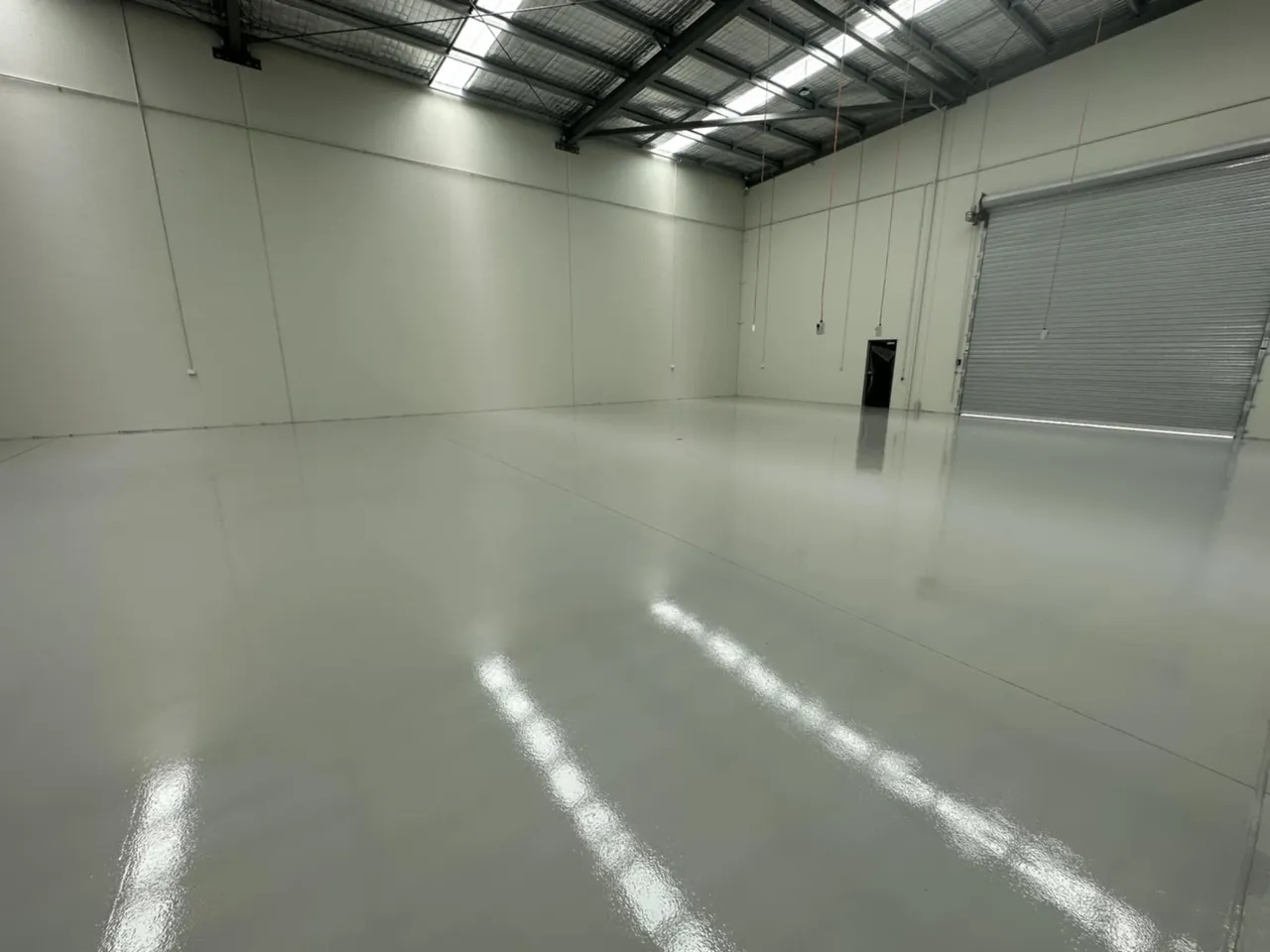
They are often chosen for modern interiors, retail environments, showrooms and commercial spaces where a more striking finish is desired.
The best choice isn’t necessarily the most expensive or reflective option. It comes down to the appearance you want and how the space will be used.
Is Polished Concrete More Expensive Than Other Flooring Options?
Polished concrete can have a higher upfront cost than some basic flooring alternatives. However, it’s important to consider the long-term value rather than looking at installation costs alone.
When comparing flooring options, think about:
- The initial installation cost.
- Ongoing cleaning and maintenance.
- Whether the flooring needs regular treatments.
- How well it handles everyday foot traffic.
- The expected lifespan of the flooring.
- Whether the existing concrete slab can be used.
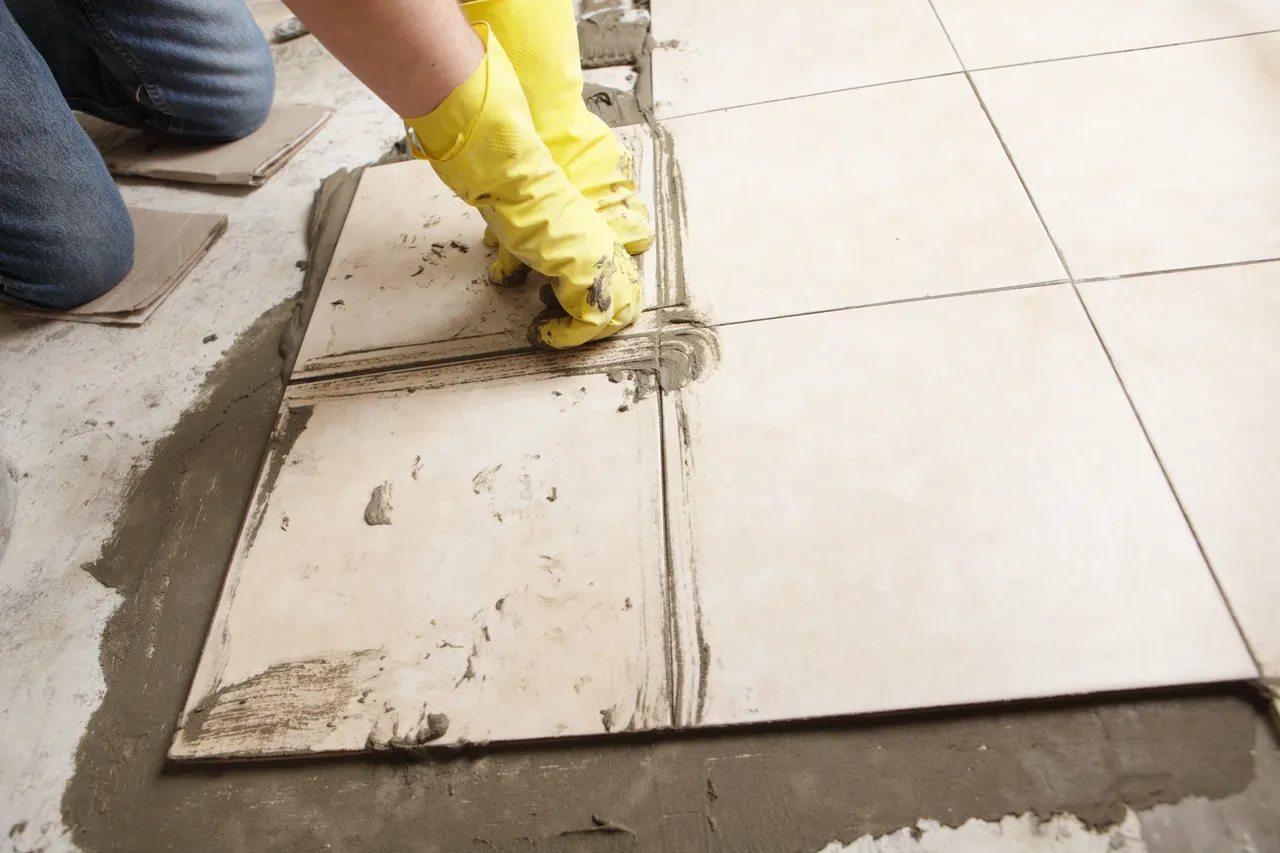
For example, tiles involve the cost of the tiles themselves, installation materials and labour. Other flooring options may also require underlay, adhesives or additional preparation.
Polished concrete makes use of the existing concrete slab, transforming it into the finished floor rather than covering it with another material.
This can make it an attractive option for people who already have a suitable concrete surface.
If you’re comparing different concrete flooring solutions, you may also want to read our guide to polished concrete versus grind and seal (supporting blog 1) which explains how the two finishes differ.
What Is Included in a Polished Concrete Installation?
Understanding what’s involved in the process can help explain why quotes may differ between contractors.
While every project is different, a typical polished concrete installation involves several stages.
Step 1: Inspecting the Existing Concrete
Before work begins, the concrete needs to be assessed.
This helps identify the condition of the slab, any visible damage and the type of finish that may be achievable.
It also allows the team to identify any preparation requirements.
Step 2: Initial Concrete Grinding
Specialised grinding equipment is used to prepare the surface and remove unwanted imperfections.
This stage helps create a suitable base for the remaining work.
The amount of grinding required will depend on the existing slab and the desired level of aggregate exposure.
Step 3: Refining the Surface
The concrete is progressively refined using increasingly fine diamond tooling.
This helps create a smoother surface and develops the desired appearance.
Step 4: Applying a Densifier
A concrete densifier may be applied during the polishing process to help harden and strengthen the surface.
This is an important part of many mechanically polished concrete systems.
Step 5: Final Polishing
The floor is polished to achieve the selected finish and level of sheen.
This is where the final appearance starts to come together.
The result is a smooth, refined surface that highlights the natural character of the concrete.
For more information about the process, visit the Grind & Shine polished concrete flooring.
Is Polished Concrete Worth the Investment?
For many homeowners and businesses, polished concrete offers a practical combination of appearance, durability and ease of maintenance.
However, whether it’s the right investment depends on what you’re looking for in a floor.
Here are some reasons people choose polished concrete.
Long-Lasting Flooring
Concrete is a durable material, and professionally polished concrete can provide a hard-wearing surface suitable for everyday use.
It can be a particularly practical option for busy households, commercial spaces and areas that experience regular foot traffic.
Easy to Maintain
Polished concrete is relatively straightforward to maintain.
Regular sweeping or dust mopping helps remove dirt and grit, while occasional cleaning with a suitable product helps keep the surface looking its best.
It doesn’t require the same type of ongoing treatment as some other flooring materials.
A Customisable Appearance
Polished concrete doesn’t have to look the same in every property.
The level of aggregate exposure and sheen can be adjusted to create a finish that suits the surrounding design.
Whether you prefer a subtle matte appearance or a more decorative exposed aggregate finish, there are options to consider.
Works Across Different Spaces
Polished concrete is suitable for a range of environments, including:
- Living areas and kitchens.
- Hallways and open-plan interiors.
- Retail shops and showrooms.
- Offices and commercial spaces.
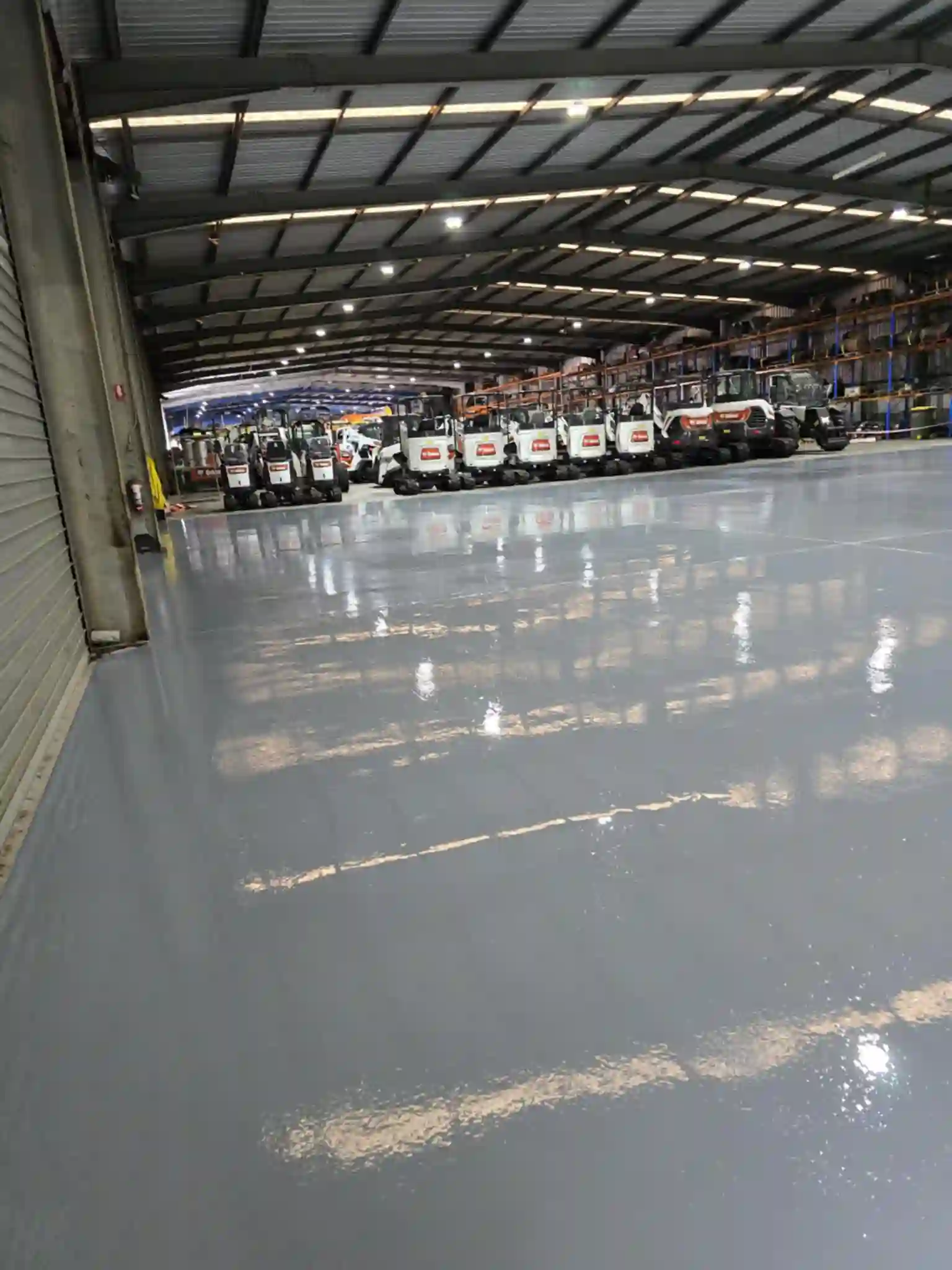
- Warehouses and industrial environments.
Its versatility is one of the reasons it continues to be a popular flooring choice.
How Can You Get an Accurate Polished Concrete Quote in Brisbane?
Online price guides can be useful when you’re first researching your options, but they won’t always reflect the exact requirements of your project.
The best way to understand polished concrete cost in Brisbane is to have the existing surface assessed.
When requesting a quote from Grind & Shine, it’s helpful to provide:
- The approximate size of the area.
- The location of the property.
- Whether the project is residential or commercial.
- Whether the concrete is new or existing.
- Any visible cracks, damage or previous coatings.
- The type of finish you’re hoping to achieve.
If you have photos of the existing concrete, these can also help provide an initial understanding of the project.
A detailed quote should explain the work involved and identify any additional preparation that may be required.
This makes it easier to compare quotes fairly and understand exactly what you’re paying for.
Why Choose Grind & Shine for Polished Concrete in Brisbane?
Choosing the right contractor is just as important as selecting the right flooring finish.
At Grind & Shine, we bring years of experience in concrete grinding and finishing, helping residential and commercial clients throughout Brisbane achieve practical, attractive flooring solutions.
Our team understands that every concrete slab is different. That’s why we consider the condition of the surface, the intended use of the space and the appearance you’re hoping to achieve before recommending an approach.
We offer a range of concrete finishes and work with clients to find an option that suits their property and requirements.
From the initial preparation through to the final finish, our focus is on delivering quality workmanship and a result that looks great and performs well.
Whether you’re renovating your home, upgrading a commercial property or planning a new flooring project, Grind & Shine can help you understand your options.
Ready to Explore Polished Concrete for Your Brisbane Property?
Polished concrete can be a worthwhile flooring investment, but understanding the work involved is essential before committing to a project.
The condition of your existing slab, the area being covered and the finish you select will all influence the final price.
If you’re considering polished concrete for your home or business, contact Grind & Shine to discuss your project and arrange a quote.
Our team can assess your requirements, explain the available finishes and help you find the right solution for your space.